

The pandemic forced millions into a makeshift home office, trading the buzz of a shared cafeteria for the quiet hum of a laptop fan. What began as a temporary workaround has calcified into a new normal, and with it came a creeping sense of isolation that no amount of virtual happy hour could erase. Leaders, once able to read a room by glancing at slumped shoulders or forced smiles, now stare at grids of thumbnail faces, searching for cues that are pixel‑deep at best. The emotional toll is real, and it is pushing organizations to ask a desperate question: how can we lead with humanity when the human element is filtered through screens?
Zoom’s 2026 AI Leadership Trends report arrives like a lifeline thrown into that digital fog, promising not just smarter tools but a rekindling of the empathy that once flowed freely down office hallways. The study, drawn from anonymized metadata of over twelve million meetings and surveys of twenty‑four thousand leaders, identifies six converging forces that are reshaping what it means to guide a remote team. It does not merely predict the future; it sketches a roadmap for leaders who refuse to let technology erode the very connections that make work meaningful.
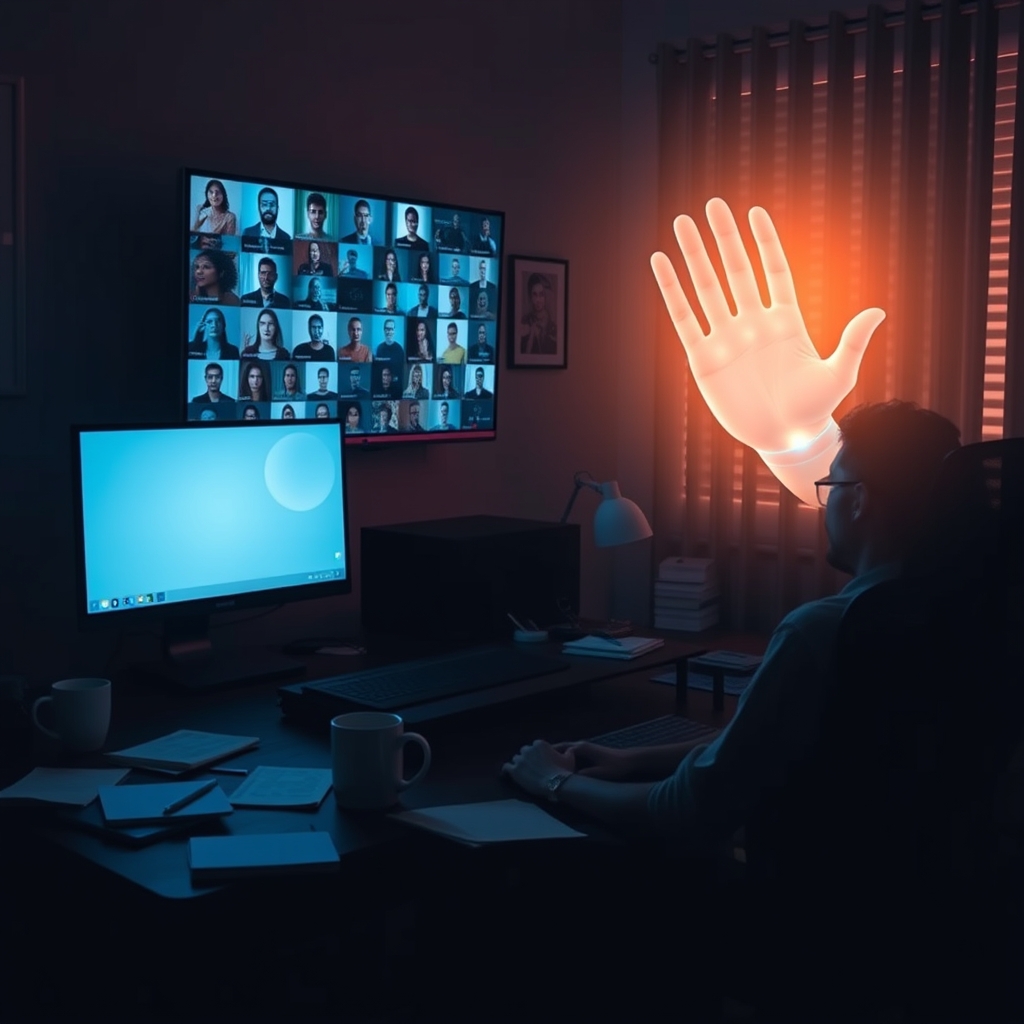
The first trend uncovered by Zoom’s analysts is the rise of AI‑powered emotional radar—systems that continuously parse tone, cadence, and micro‑expressions to surface a leader’s blind spots before they become fractures. Imagine a dashboard that gently nudges you when your voice spikes in frustration during a brainstorming session, or that highlights a team member’s subtle sigh that went unnoticed in a sea of avatars. Early adopters report a 27% increase in perceived leader empathy after just three months of using these nudges, a statistic that translates into higher retention and richer idea generation. The technology does not replace intuition; it sharpens it, giving leaders a quiet coach that whispers, “Pause. Listen. Respond.”
What makes this trend resonate is its ability to meet leaders where they are—overwhelmed, time‑starved, and hungry for authentic connection. In one case study, a global product manager named Lina described how the AI alerted her to a pattern: she repeatedly cut off junior engineers from Southeast Asia when discussing timelines. The insight was uncomfortable, but it prompted her to institute a “listening first” ritual, allocating the first five minutes of each sync solely for those voices to be heard. Within weeks, the team’s sprint velocity climbed, and Lina found herself looking forward to meetings rather than dreading them. The emotional radar turned a source of anxiety into a catalyst for growth.

—— END ——