
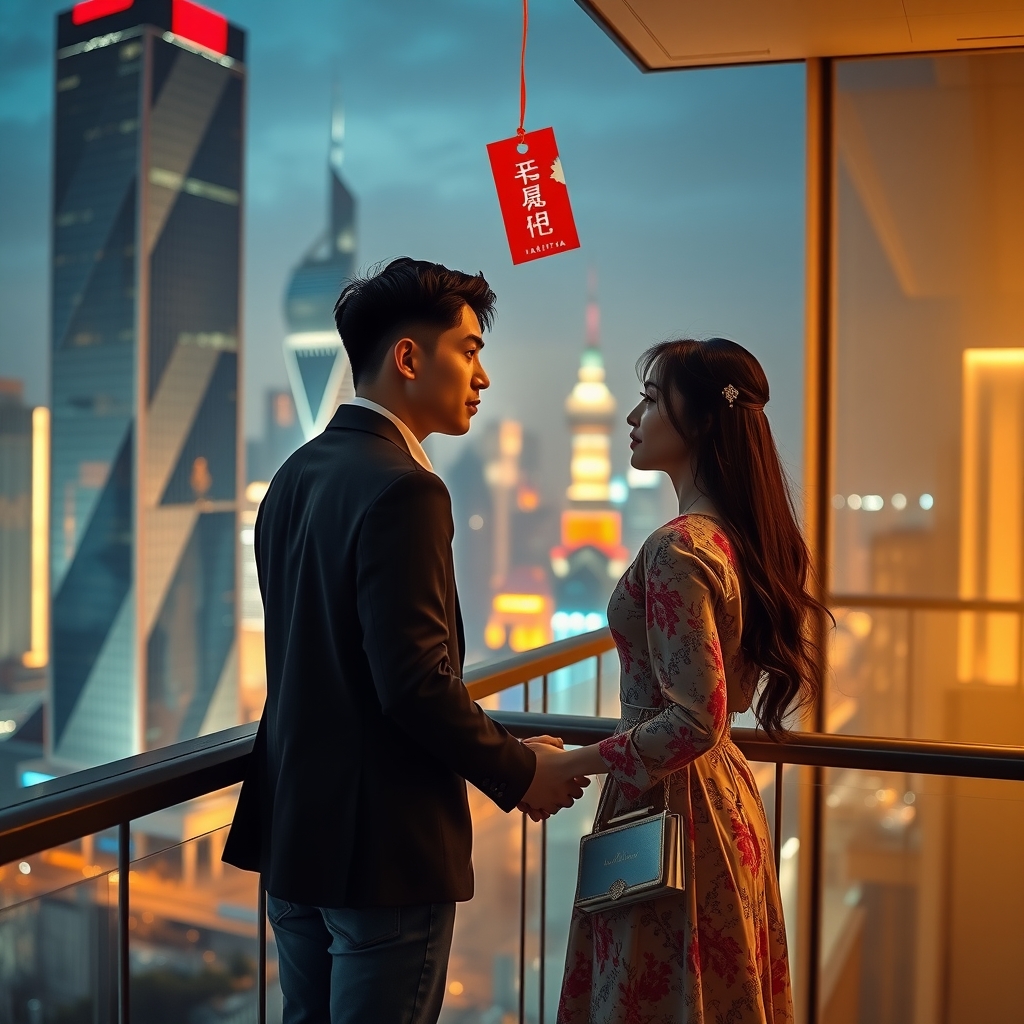
The notion of marriage has long been woven into the fabric of Chinese life, a rite of passage that signaled adulthood, filial duty, and the continuation of family lineage. For generations, the pressure to wed was as palpable as the scent of incense at a temple altar, guiding young men and women toward a future predetermined by parental expectation and societal norm. Yet today, a quiet rebellion is humming beneath the surface of bustling megacities and sleepy hometowns alike, as increasing numbers of young adults choose to remain single, postponing or outright rejecting the institution that once seemed immutable. This shift is not merely a statistical blip; it reflects a profound re‑examination of what it means to live a fulfilled life in contemporary China.
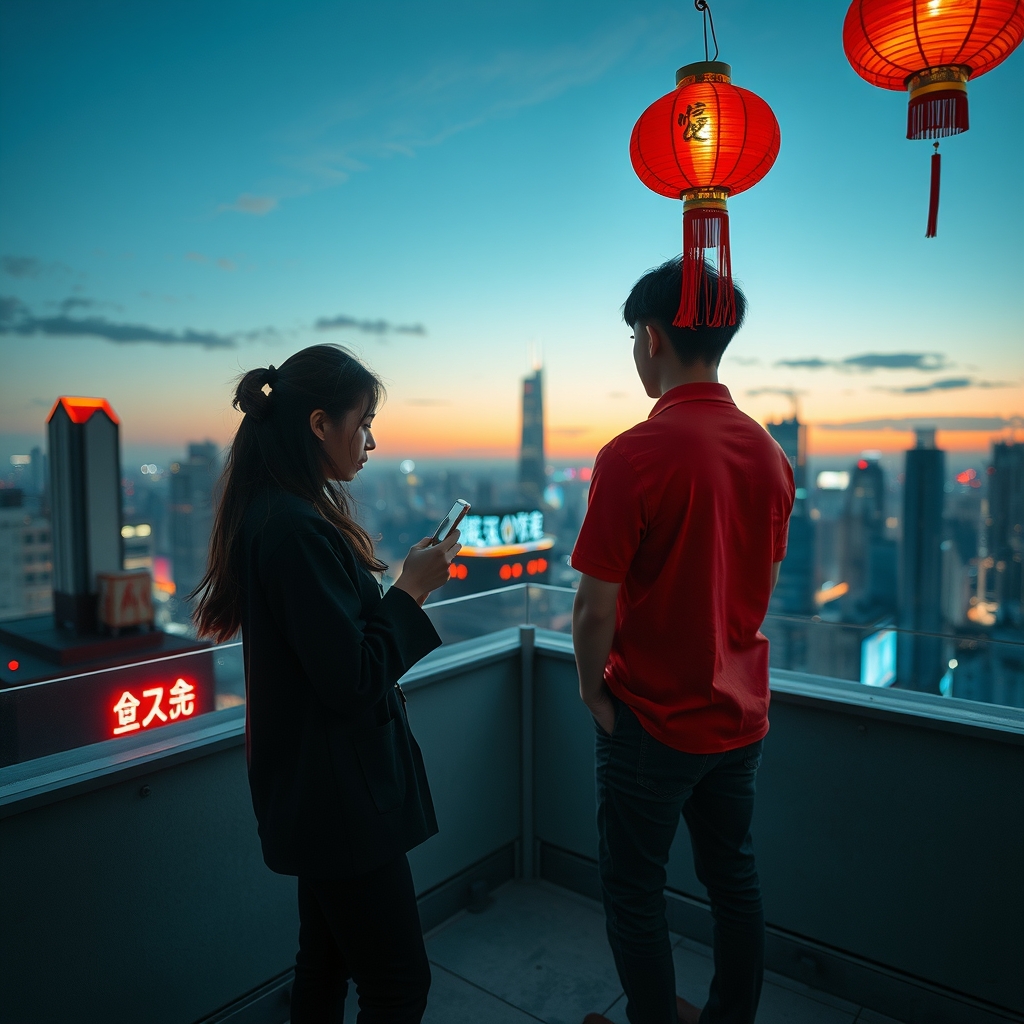
Parallel to the economic squeeze, a cultural awakening is challenging traditional gender scripts that have long dictated marital expectations. Young women, armed with higher education and exposure to global feminist discourse, are rejecting the notion that their primary value lies in bearing children and serving a husband’s family. Social media platforms buzz with hashtags like #不婚主义 (non‑marriage ideology) and #剩女反击战 (counterattack of the “leftover women”), turning personal choices into collective statements of autonomy. Men, too, are feeling the pressure to conform to evolving ideals of masculinity that prioritize emotional intimacy over breadwinning, leading many to question whether the traditional provider role still fits their aspirations. In this climate, marriage is increasingly viewed not as a obligatory milestone but as a negotiable partnership—one that must meet mutual standards of respect, equality, and personal fulfillment.

—— END ——