

The year 2026 arrives not as a distant prophecy but as a palpable pressure in the hum of servers, the flicker of stock tickers, and the quiet conversations families have over breakfast about what jobs will survive the next wave of automation. Zhiyuan, once a quiet player tucked away in research labs, has stepped into the spotlight with a dossier of AI insights that claim to map the terrain of tomorrow’s technology before the first line of code is written for next‑generation devices. What does it mean when a corporation says it can see the future? The answer vibrates between exhilaration and apprehension, because foresight is a blade that can carve fresh pathways for prosperity or deepen the fissures of inequality that already scar our societies. In this moment, we stand at a crossroads where curiosity must be tempered with caution, and the stories we tell about AI will shape the lived realities of millions.
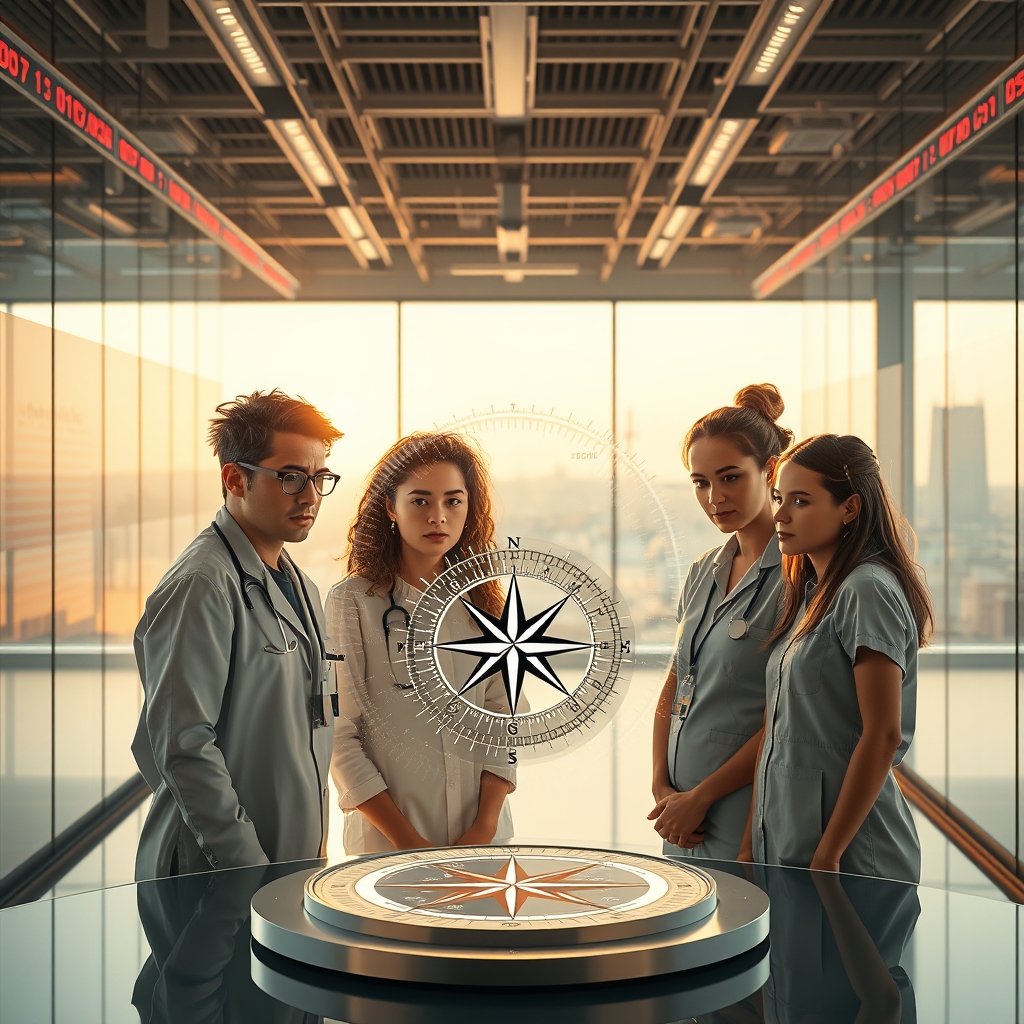
Behind the headlines lies a meticulous tapestry woven from disparate strands of information: sensor streams from factory floors, wearable biometrics from hospital wards, satellite feeds tracking urban heat islands, and millions of anonymized chat logs that reveal how people truly interact with intelligent assistants. Zhiyuan’s interdisciplinary team — comprising data scientists, ethicists, ethnographers, and former factory supervisors — spent three years cross‑referencing these datasets, looking for patterns that persist across cultures and industries. Their method was less about building a single omniscient model and more about distilling a set of guiding principles that feel less like a crystal ball and more like a reliable compass for decision‑makers. The emotional heart of this effort is the insistence that technology must serve the quiet aspirations of teachers, nurses, and artisans, not merely amplify the profit motives of distant shareholders.
As you absorb these insights, ask yourself: Are we prepared to cede stewardship of our planet to systems that learn at speeds no human institution can match? The question lingers in the air, inviting both healthy skepticism and a spark of optimism. Dr. Lin Mei, Zhiyuan’s chief vision officer, captured the sentiment in a recent internal memo: ‘If we meet AI with courage, curiosity, and a willingness to adapt, the future becomes a canvas we can paint together, not a cage that locks us in.’ Her words echo a call to action — urging policymakers to craft adaptive regulations, engineers to prioritize explainability, and citizens to demand transparency. Only through this collective resolve can we transform the promise of foresight into a shared reality that uplifts rather than overwhelms.
—— END ——