

Every morning the alarm shatters the dark, and the same stale routine greets you before you even have a chance to breathe. The snooze button becomes a tiny betrayal, a promise that you’ll linger just a few more minutes in the safety of oblivion, while the world outside keeps moving. Do you ever wonder why the simple act of getting out of bed feels like climbing a mountain? The answer lies not in the physical weight of the covers but in the invisible load you carry—a stack of expectations, unspoken apologies, and the relentless dread that you’re falling short of some invisible standard. Society has trained us to equate productivity with worth, so the moment you rise you’re already measuring yourself against an unseen yardstick, questioning whether today will finally feel like a step forward or just another rehearsal of the same old script.
Every morning you wake up to the same alarm, the same stale coffee, the same stale routine, and the weight of expectation presses down, making each breath feel like a negotiation with fatigue. The weight you carry isn’t measured in pounds but in the accumulation of unspoken apologies, the silent agreements you’ve made with yourself to stay small, and the relentless whisper that you’re falling short of some invisible standard. It settles in your chest, making each breath feel like a negotiation with fatigue. You find yourself counting the minutes until the next break, the next coffee, the next moment when you can pretend the pressure isn’t there, only to realize that the pressure is internal, a constant hum that drowns out the quiet moments you once cherished.
‘The greatest prison is the one you build inside your own mind,’ says an anonymous poet, and you’re already locked inside. What would happen if you opened that door today? Imagine stepping beyond the self‑imposed confinement, allowing the raw, unedited version of you to breathe, to stumble, to rise. The freedom that follows isn’t a sudden explosion; it’s a gradual unfurling, a permission to exist without the constant audit of an imagined audience. Each small defiance chips away at the invisible walls you’ve built, creating cracks where light can seep in. You might notice a surge of energy, a clearer mind, or a sudden sense of belonging to yourself again.

Section 3
Beneath the polished exterior you present to the world lies a version of yourself that’s been edited, polished, and sometimes silenced. The cost is measured in the moments you swallow your true feelings to keep the peace, in the laughter you force when sadness sits heavy. The price you pay is a quiet erosion of self‑respect, a slow erosion of the spark that once sparked your curiosity. Every day you make a choice: hide a part of yourself to keep the peace, or risk rejection by speaking your truth. The cost is measured not in dollars but in the erosion of your authentic self.
Authenticity feels like a risky investment; you fear that showing the raw edges will invite rejection, yet the alternative is a life lived in constant rehearsal. Every time you hide a part of yourself, you hand over a piece of your soul to the expectations of others. The cost is measured not in dollars but in the erosion of your authentic self. The price you pay is a quiet erosion of the spark that once sparked your curiosity, leaving you feeling like a stranger in your own life.
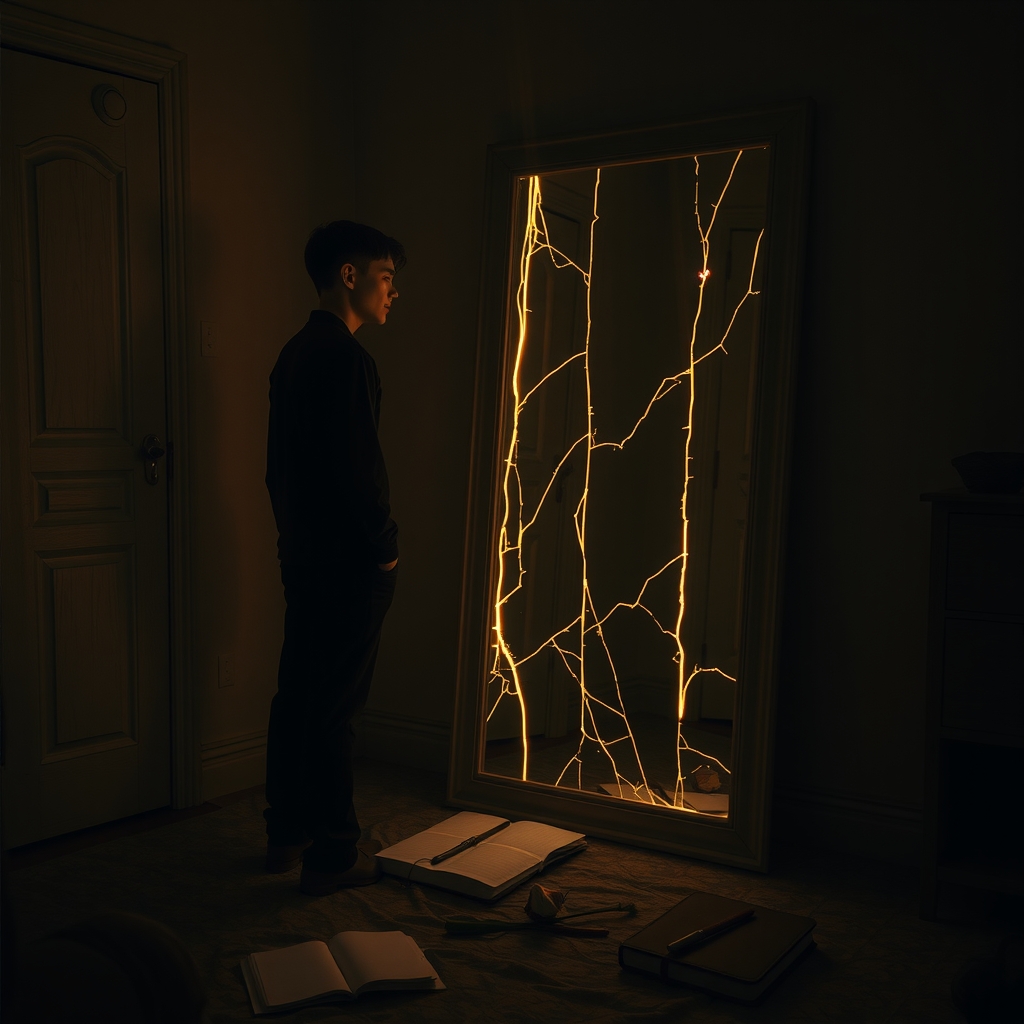
‘You cannot pour from an empty cup,’ warns an old adage, but you keep filling yours with borrowed expectations. What would happen if you let your cup run dry for a moment, just to refill it with what truly nourishes you? The answer lies in daring to be vulnerable, to let the world see the cracks, and to trust that those cracks let in light. The freedom that follows isn’t a sudden explosion; it’s a gradual unfurling, a permission to exist without the constant audit of an imagined audience.
—— END ——