

The glow of a screen has become the new campfire, drawing us in with promises of endless conversation and instant validation. Yet as we scroll, swipe, and tap, a quiet unease settles in the corners of our minds, whispering that something essential is slipping away. We tell ourselves we are more connected than ever, but the laughter echoing through comment threads often feels hollow, a reverberation of voices that never truly meet. What happens when the very tools designed to bridge distance start to widen the chasm inside us?
Our brains, wired for novelty, latch onto the endless stream of notifications like a moth to flame. Each ping releases a tiny burst of dopamine, reinforcing the habit of checking, refreshing, and seeking the next hit. Over time, this relentless stimulation rewires our attention spans, making sustained focus feel like an uphill battle. We find ourselves unable to sit with a book, a conversation, or even our own thoughts without the urge to reach for the device that promises distraction. The cost is not just lost minutes; it is a gradual erosion of the depth that gives life its texture.
When the mind is perpetually half‑present, anxiety takes root in the spaces between updates. The fear of missing out morphs into a chronic low‑grade dread, a sense that we are always one scroll away from being left behind. Studies show a correlation between heavy social media use and heightened symptoms of depression and loneliness, especially among young adults who compare their behind‑the‑scenes reality to the curated highlights of others. The emotional toll is subtle at first—a tightening in the chest after seeing a friend’s vacation photos, a sigh when a post receives fewer likes than expected—but it accumulates, shaping a self‑image that feels perpetually inadequate.

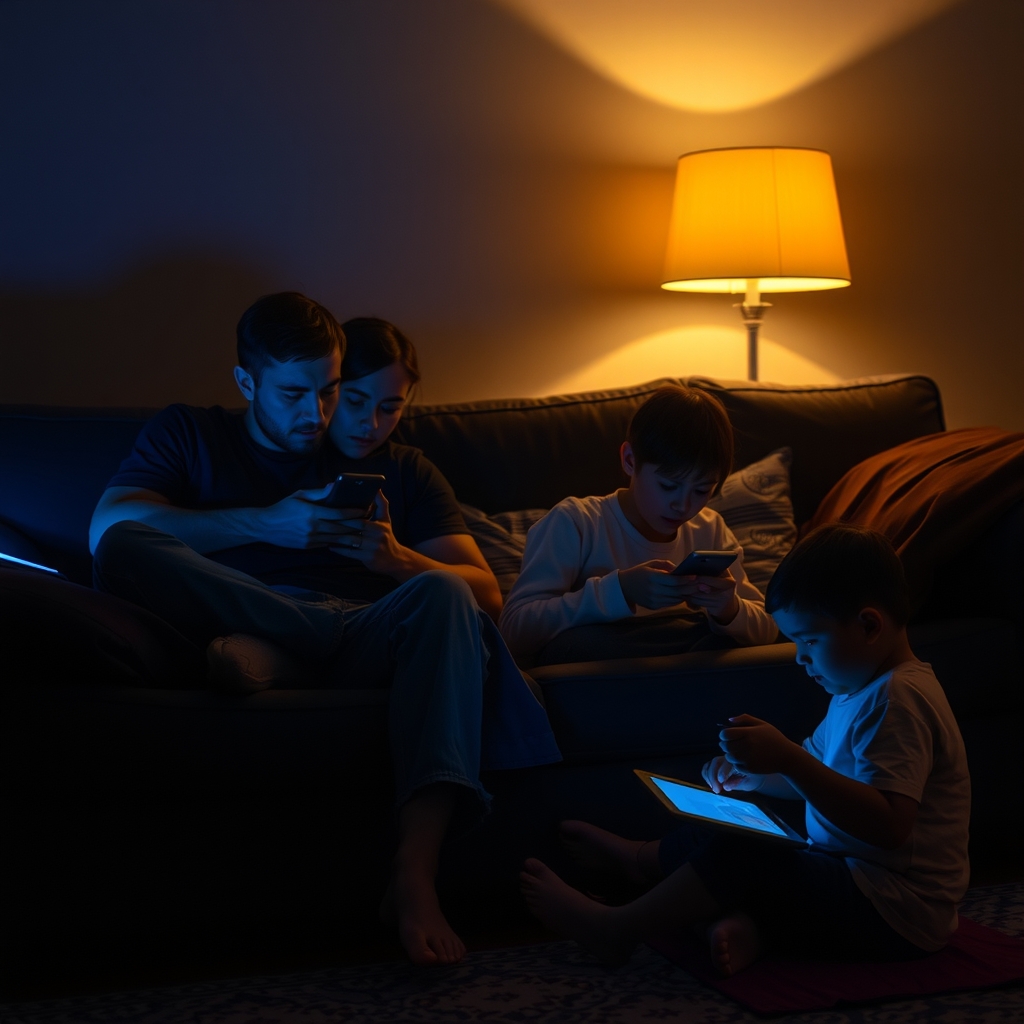
Relationships, once nurtured through shared silences and eye contact, now often unfold through emojis and reaction buttons. We mistake the speed of a reply for intimacy, believing that a quick “👍” conveys the same warmth as a lingering hug. In reality, the mediated exchange strips away nuance; tone, body language, and the subtle pauses that convey empathy are lost in translation. Couples report feeling more “connected” yet simultaneously more isolated, as the constant presence of a third party—the phone—creates an invisible barrier even when they sit side by side.
Parents, too, grapple with the tension of raising children in a world where screens are both babysitter and battleground. Bedtime stories compete with autoplay videos, and the ritual of tucking in becomes a negotiation over screen time limits. The resulting guilt—both for yielding to the device and for denying it—adds another layer of stress to family dynamics. Children, observing the adults’ fixation, internalize the message that validation comes from likes rather than from genuine affection, setting the stage for a lifelong quest for external approval.
Friendships, once forged in the crucible of shared experiences, now risk becoming collections of highlight reels. We celebrate milestones with posts, yet the aftermath often leaves us wondering whether anyone truly felt the joy we tried to broadcast. The paradox is stark: we have more ways to reach out than ever, yet the depth of those connections feels increasingly superficial, leaving a lingering sense that we are surrounded by voices but starving for true hearing.
—— END ——