
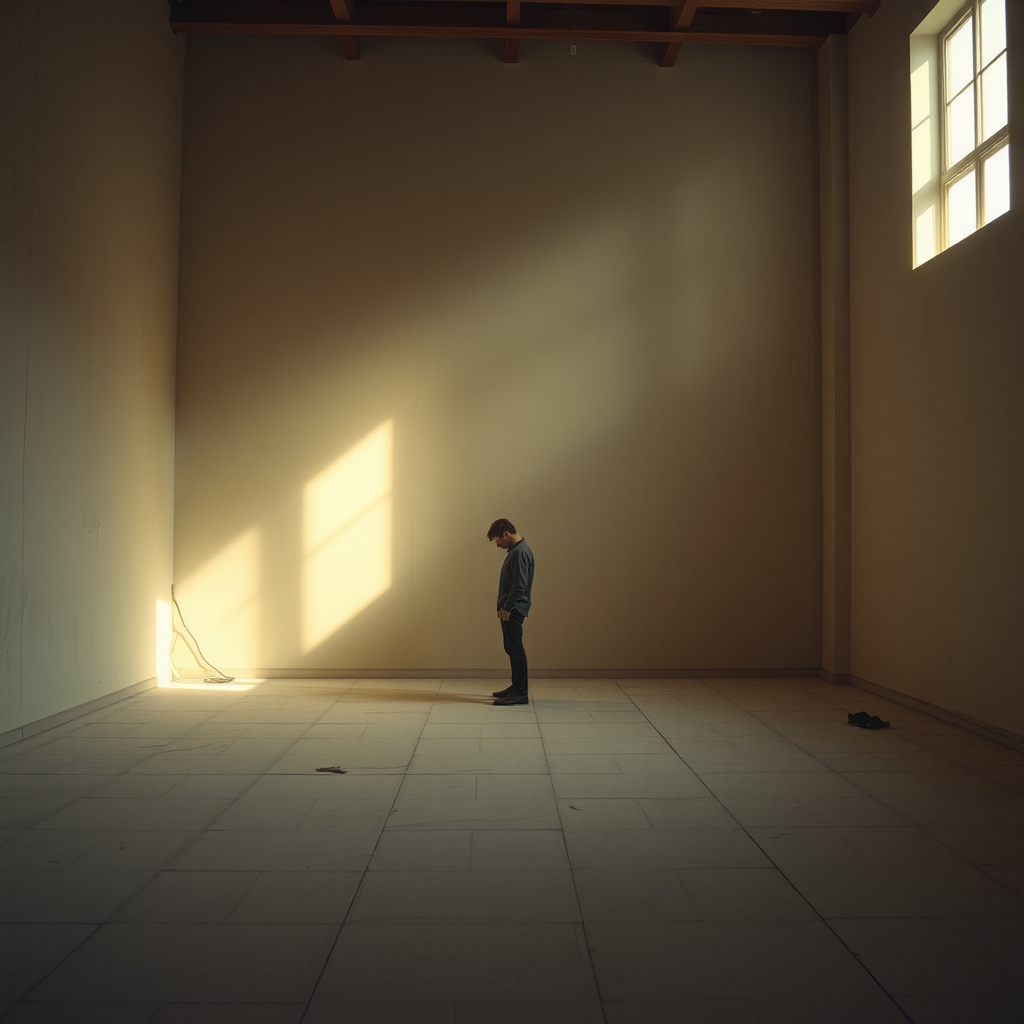
Psychologically, silence is a double‑edged sword; it can soothe the nerves after a chaotic day, yet it can also amplify the chatter of anxiety that lives in the background of our minds. When the external world falls quiet, the internal dialogue often erupts louder, replaying past mistakes, fearing future failures, and magnifying the sense of emptiness that comes from unnoticed existence. Studies show that prolonged exposure to unstructured silence can trigger heightened activity in the amygdala, the brain’s alarm system, turning calm into chronic stress. In workplaces, the absence of ambient conversation can create a vacuum where doubts fester, leading to burnout that feels indistinguishable from fatigue. In relationships, the silence after a disagreement often feels like a canyon, widening the distance between hearts that once beat in sync.
Loneliness is not merely the physical absence of other people; it is the emotional chasm that opens when our inner voice is drowned out by the surrounding quiet. The brain, wired for social connection, interprets prolonged silence as a signal of exclusion, releasing cortisol and heightening feelings of rejection. This biochemical response can spiral into depression, making the simple act of reaching out feel like climbing a mountain with no visible summit. As the poet Rumi once whispered, ‘The wound is the place where the Light enters you,’ reminding us that even in the darkest quiet, there is a potential for illumination.
Consider the question: if silence were a character in our story, would it be a mentor guiding us toward introspection, or a tyrant silencing our truth? The answer may differ for each of us, but the common thread is the yearning to be heard, to have our experiences validated beyond the echo chamber of our own thoughts. A single, honest sentence spoken into the void can shatter the illusion that we are alone, turning the weight of silence into a catalyst for genuine connection. It is in that moment of vulnerability that the walls we built around ourselves begin to crack, allowing light to flood in and reminding us that our voice, however soft, matters.
—— END ——