

Love, when I was small, lived in the spaces between bedtime stories and the warm glow of the kitchen light. My parents whispered that love was a steady hand, a promise kept when the world felt too loud. I clung to that idea like a child clutching a stuffed animal, convinced that if I could just find the right person, the world would finally make sense. I watched romances on television, saw heroes sweep heroines off their feet, and I filed those images away as a blueprint for my own future, never questioning whether the script was written for anyone but the characters on screen.
At twelve, I experienced my first crush—a boy who shared my love for comic books and laughed at the same silly jokes. We passed notes in class, our fingers brushing accidentally as we handed each other a pencil, and I felt a flutter that seemed to confirm the fairy‑tale narrative I’d internalized. In those moments, love felt like a secret superpower, something that could lift me above the mundane worries of homework and cafeteria cliques. I believed, without doubt, that if I could hold onto that feeling, I would never be lonely again.
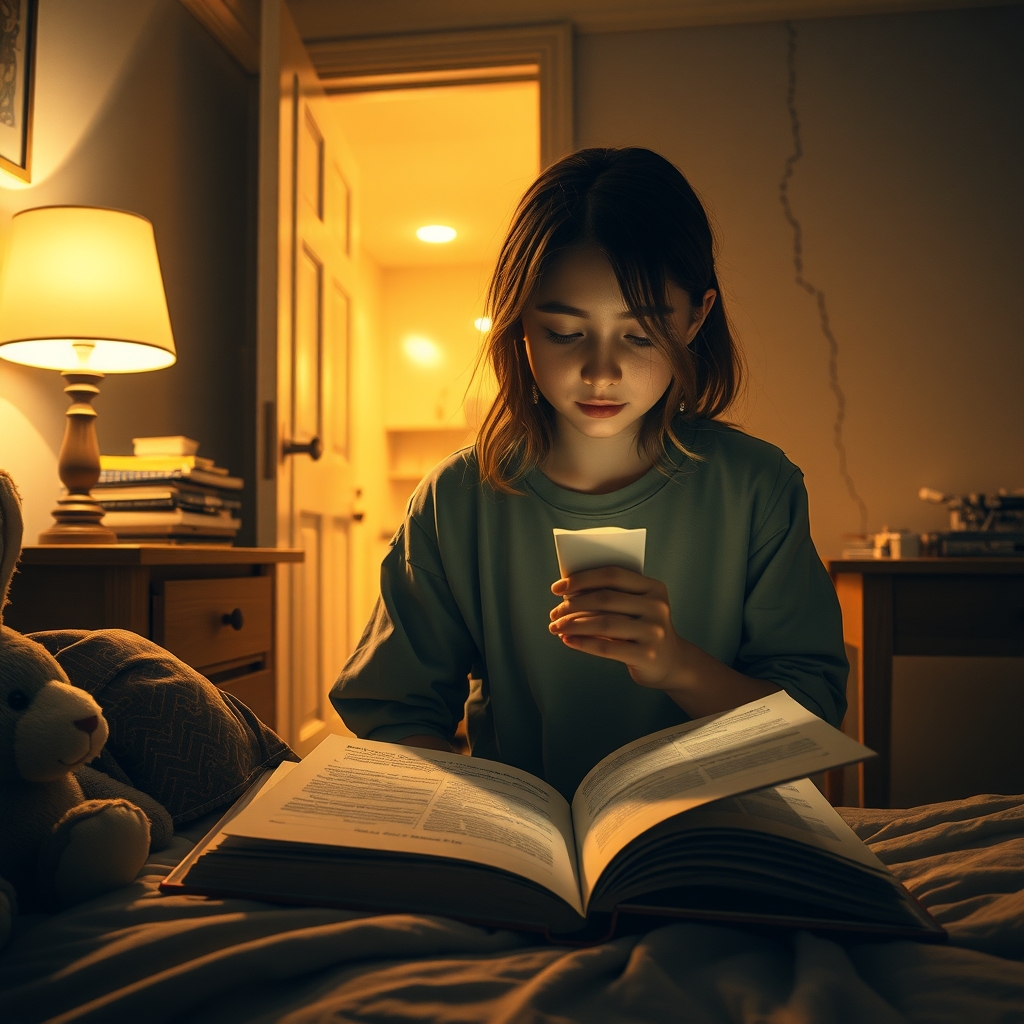
Yet even then, a quiet voice whispered that love might be more fragile than the stories suggested. I noticed how quickly my friends’ affections shifted, how a simple misunderstanding could turn a day of giggles into a week of silent treatment. I tucked those observations away, telling myself they were just growing pains, not signs that the foundation I was building on was already cracking. Little did I know that those early fissures would later become the fault lines of my heart’s most painful earthquakes.
—— END ——