

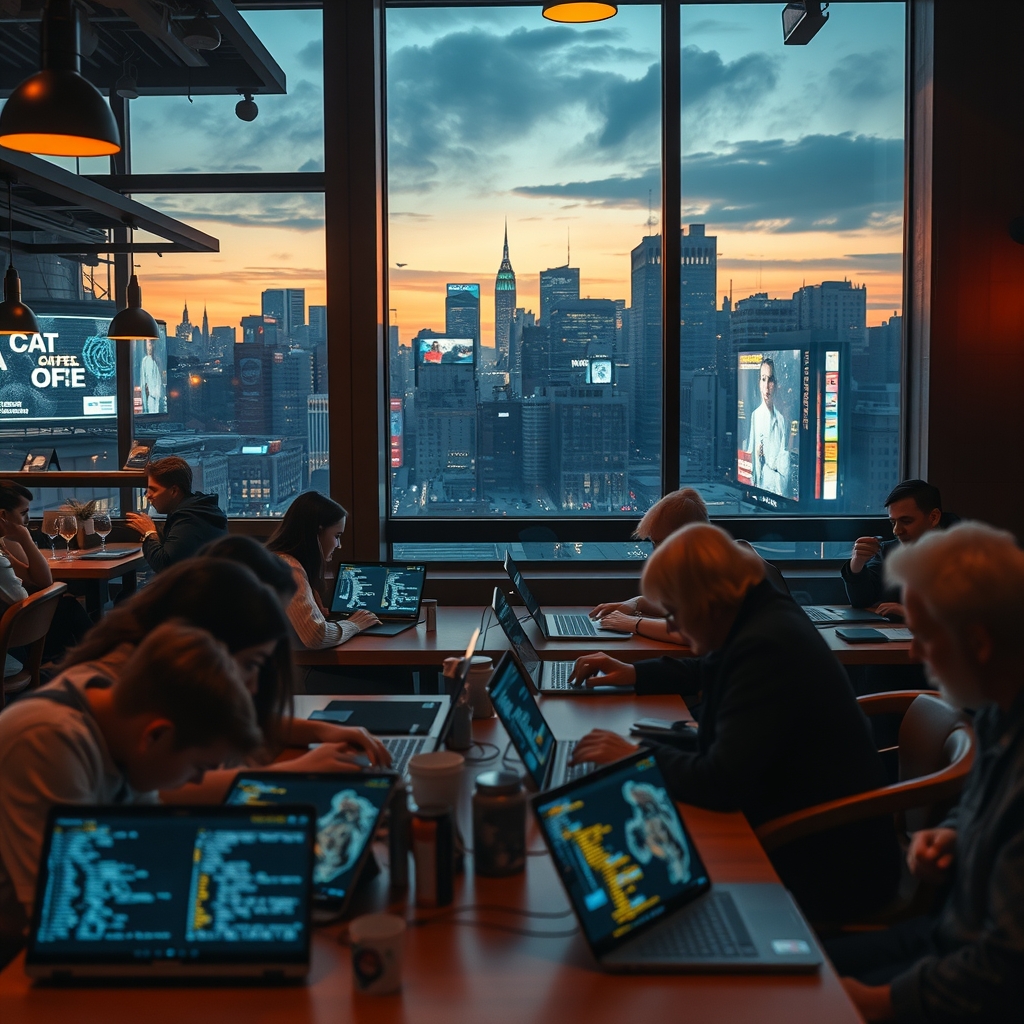
What does it feel like to stand at the edge of a technology that can dream? This question lingers in coffee shops, university labs, and family dinner tables as we watch machines compose symphonies, diagnose illnesses, and write stories that move us to tears. The excitement is palpable, yet it is tinged with a quiet anxiety: will these creations amplify our best instincts or expose our deepest flaws? In the midst of this duality, we find ourselves asking not just what AI can do, but who we become when it does it for us.
Every day brings fresh headlines that swing from triumph to terror. A startup announces a model that predicts protein folds with unprecedented speed, promising new medicines for rare diseases; simultaneously, a deepfake video of a public figure spreads misinformation that erodes trust in democratic processes. Surveys show that while sixty percent of workers fear automation will erase their livelihoods, an equal number believe AI will unlock solutions to climate change, healthcare inequities, and educational gaps. The tension is not abstract; it is lived in the gig worker who worries about algorithmic scheduling, the patient who hopes for an early cancer scan, and the teenager who wonders if a chatbot will replace a confidant.
This article does not merely list predictions; it walks through five concrete trends that are already shaping the fabric of 2026 and will continue to define our collective experience. By grounding each trend in real‑world case studies, emotional stakes, and the underlying logic of technological evolution, we aim to move beyond hype and fear toward a nuanced understanding of how we can steer AI toward a future that feels both inspiring and humane.
—— END ——