

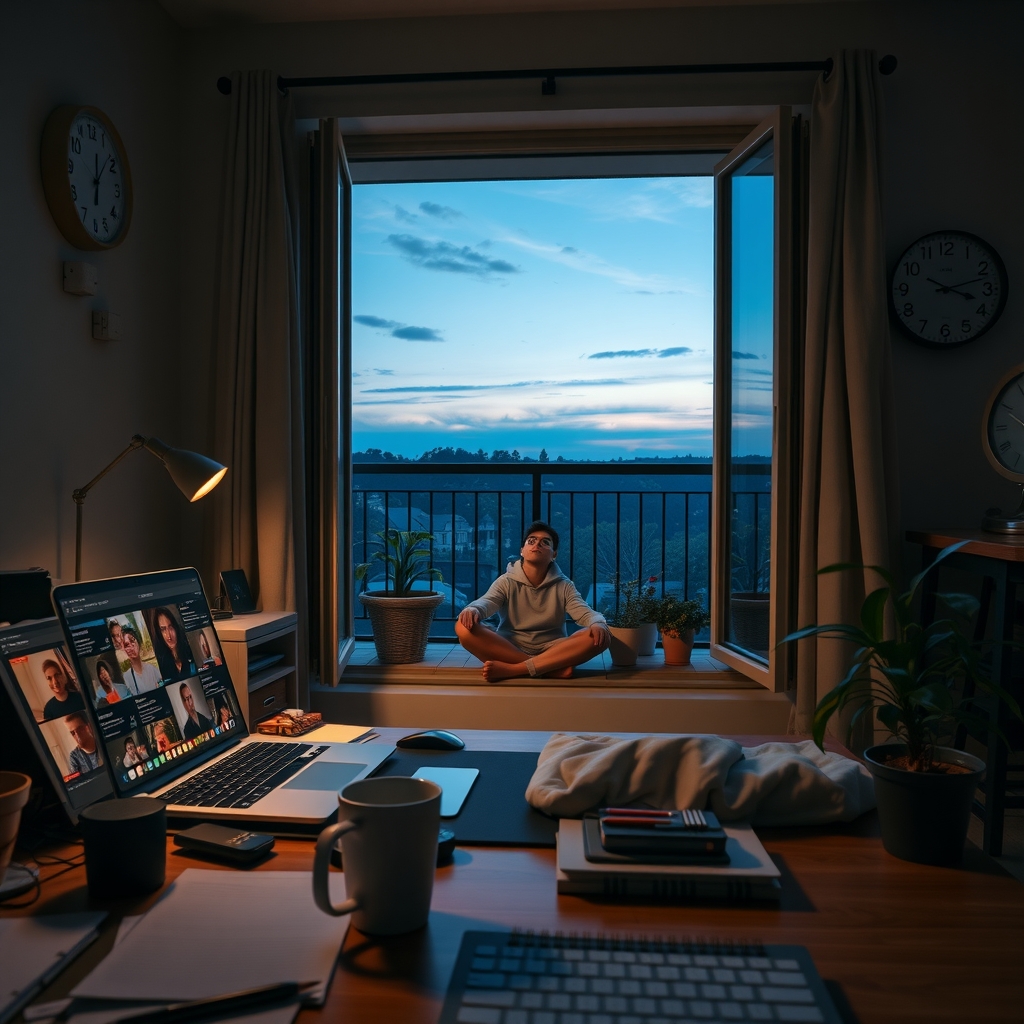
Remote work promised freedom, flexibility, and a better work‑life balance, yet many who embraced it found themselves tangled in a new kind of pressure. The home office blurred the lines between professional and personal life, making it harder to switch off, and the constant ping of video calls created a sense of being perpetually on call. Researchers noticed a paradox: employees reported higher satisfaction with autonomy, yet also higher levels of anxiety and isolation. The counterintuitive insight emerged when companies began to experiment with “structured disconnection”—mandatory offline hours, no‑meeting Fridays, and intentional periods of deep work without any digital interruption. Teams that embraced these boundaries saw spikes in creativity, lower stress markers, and a renewed sense of purpose. The lesson was stark: the very tools designed to liberate us can imprison us unless we deliberately carve out space for stillness.
What does it say about our culture when we equate constant visibility with dedication? The assumption that being seen equals being productive is a relic of industrial‑era supervision, ill‑suited to a world where output is measured in ideas, not hours on a clock. By flipping the script—valuing unseen, reflective time as much as visible output—we begin to redesign work around human rhythms rather than machine timelines. This shift is not merely a perk for employees; it is a strategic advantage for organizations seeking innovation in an age where burnout threatens the talent pool.
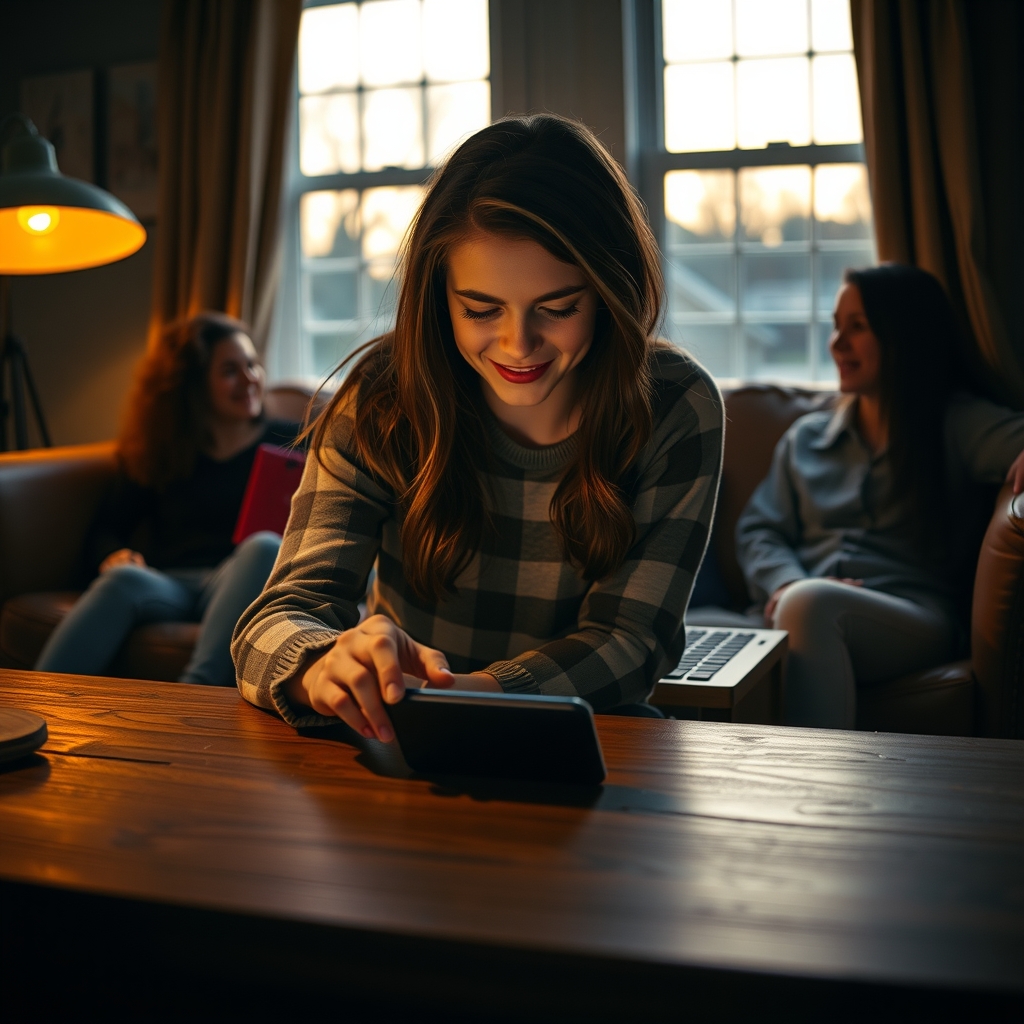
Social media was sold to us as a way to bring the world closer, to shrink distances and foster community. Yet scrolling through endless feeds often leaves us feeling more alone, more envious, and more dissatisfied with our own lives. Studies have shown a correlation between heavy social media use and increased feelings of loneliness, despite the illusion of constant connection. The counterintuitive response is not to abandon these platforms outright, but to redesign our interaction with them—curating feeds that inspire rather than compare, setting strict time limits, and using the platforms as tools for purposeful engagement rather than passive consumption. When a group of college students agreed to a “no‑likes” week, where they could post but not see or give reactions, they reported richer face‑to‑face conversations, a resurgence of hobbies, and a clearer sense of self‑worth independent of online validation.
The pain point here is deep: we have outsourced our sense of belonging to algorithms that thrive on our attention, not our well‑being. By questioning the assumption that more connections equal better connections, we reclaim agency over our emotional landscapes. This is not a Luddite retreat; it is a conscious cultivation of digital hygiene, a reminder that technology should serve our humanity, not dictate it.
—— END ——