
Flexibility stands out as the most celebrated advantage of full‑time remote work. Employees describe the ability to shape their day around personal rhythms—starting early to catch a quiet morning, taking a midday walk to clear the mind, or logging back in after a child’s bedtime story. One software engineer from Austin shared how she now schedules her most demanding coding sprints during the late‑night hours when her household sleeps, a luxury that would have been impossible in a traditional office with fixed hours. This control over time translates into a tangible sense of agency; workers report feeling less like cogs in a machine and more like authors of their own schedules.
Beyond time, the spatial freedom remote work offers reshapes where life unfolds. No longer tethered to a geographic hub, many have relocated to lower‑cost cities, coastal towns, or even abroad, chasing a lifestyle that aligns with their values rather than a lease agreement. A marketing specialist from Seattle recounted moving to a mountain town in Colorado, noting that the reduced rent allowed her to invest in a home studio for her freelance photography passion—a side hustle that now fuels both creative fulfillment and extra income. Such stories highlight how remote work can act as a catalyst for broader life redesign, enabling people to pursue goals that once felt out of reach because of location‑bound constraints.
Yet flexibility is not a universal panacea. For some, the very openness of schedule becomes a source of anxiety, as the absence of clear boundaries invites the temptation to overwork. A project manager in Boston confessed that without the physical act of leaving an office, she often finds herself answering emails at midnight, convinced that “just one more thing” will make the day feel complete. The freedom to choose when to work can paradoxically generate a pressure to always be available, turning flexibility into a double‑edged sword where autonomy and expectation clash.

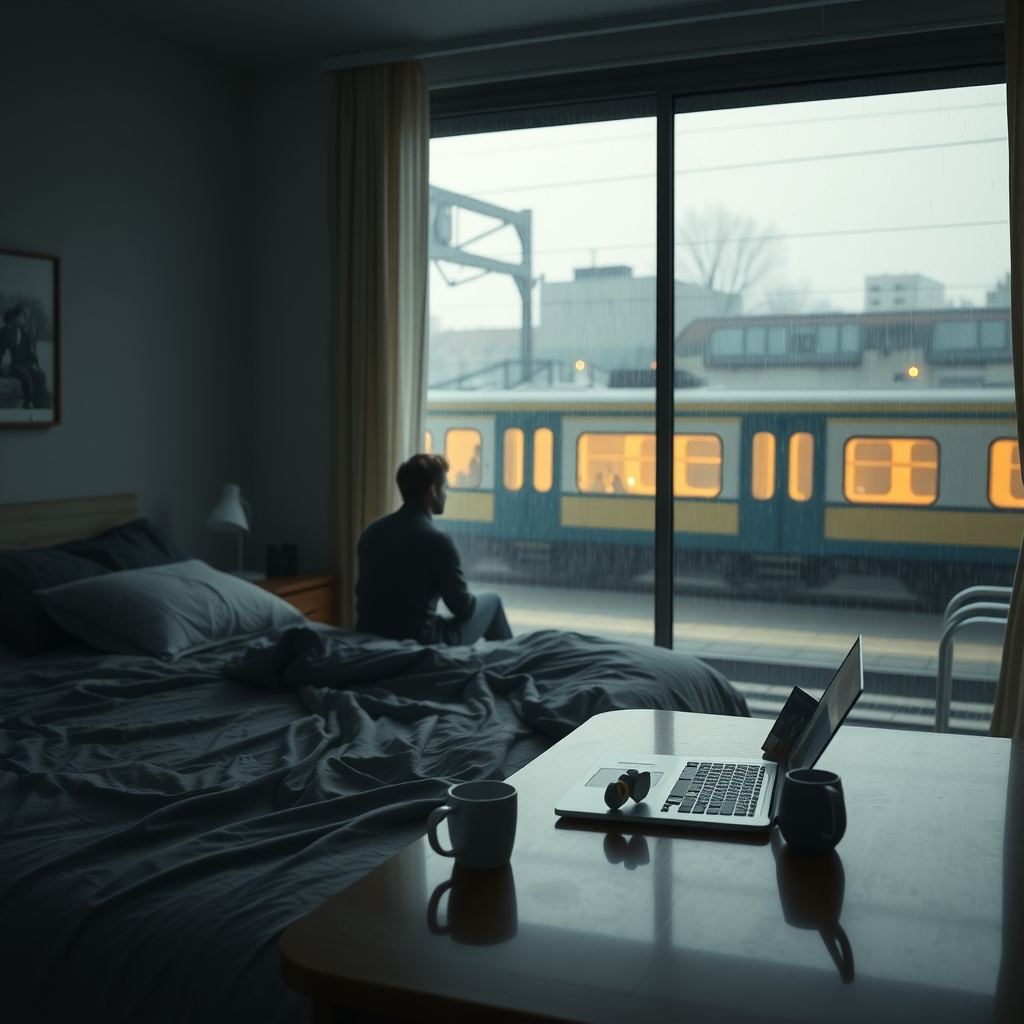
Isolation emerges as the most frequently cited emotional downside of fully virtual work. Human beings are wired for connection; the subtle exchanges—a smile in the break room, a quick joke by the printer, the unspoken camaraderie of solving a problem together—serve as invisible glue that binds teams. When those moments disappear, many report a creeping sense of loneliness that seeps into their mood and motivation. A customer support representative from Denver described how, after six months of remote work, she began to dread the start of her day, feeling as though she were speaking into a void despite the constant stream of chat notifications. The lack of face‑to‑face interaction can erode the sense of belonging that fuels engagement and resilience.
The erosion of spontaneous collaboration also hampers innovation. Ideas often spark in informal settings—a hallway conversation, a coffee machine encounter—where hierarchical barriers are lowered and thoughts flow freely. Remote environments tend to replace these serendipitous encounters with scheduled meetings, which, while necessary, can feel rigid and transactional. A UX designer from San Francisco noted that her team’s brainstorming sessions now require deliberate agendas, and the organic “what if” moments that once led to breakthrough features have become rare. This shift can slow the iterative, exploratory process that drives creative problem‑solving, leaving teams feeling more reactive than inventive.
Compounding the sense of isolation is the challenge of reading non‑verbal cues over video. Subtle shifts in tone, micro‑expressions, and body language—critical components of empathy and trust—are often lost or distorted through a screen. Employees report misinterpreting feedback, feeling uncertain about whether a colleague’s terse message signals frustration or simply brevity. Over time, these micro‑misunderstandings can accumulate, eroding trust and making conflict resolution more cumbersome. The emotional toll of constantly second‑guessing intent adds an invisible layer of stress that many remote workers carry silently.

—— END ——