

The technology behind a foldable phone is a symphony of precision engineering, materials science, and software choreography, each note critical to the overall harmony. Apple’s approach, as hinted by patents and supply chain whispers, appears to favor a titanium‑reinforced hinge that promises both durability and a near‑invisible crease—a stark contrast to the early Samsung Galaxy Fold, whose initial launch was marred by screen failures that left early adopters feeling betrayed by a device that cracked under everyday use. By reportedly employing ultra‑thin glass layered with a flexible polymer substrate, Apple aims to deliver a display that not only bends without noticeable distortion but also resists scratches and fingerprints, addressing one of the most common pain points voiced by foldable skeptics who worry about longevity in a device that constantly flexes.
Battery life, another perennial concern, is being tackled through a dual‑cell design that splits power across the folded and unfolded states, intelligently allocating resources based on usage patterns. Internal testing, according to leaked sources, suggests that the device could sustain up to fifteen hours of mixed media consumption in tablet mode, a figure that rivals the endurance of Apple’s current iPad lineup while still fitting within a pocket‑sized footprint when closed. This balance between power and portability is not merely a technical achievement; it speaks directly to the emotional need users have for a device that can keep up with their day without constantly hunting for an outlet, a reassurance that mitigates the anxiety of being tethered to a charger.
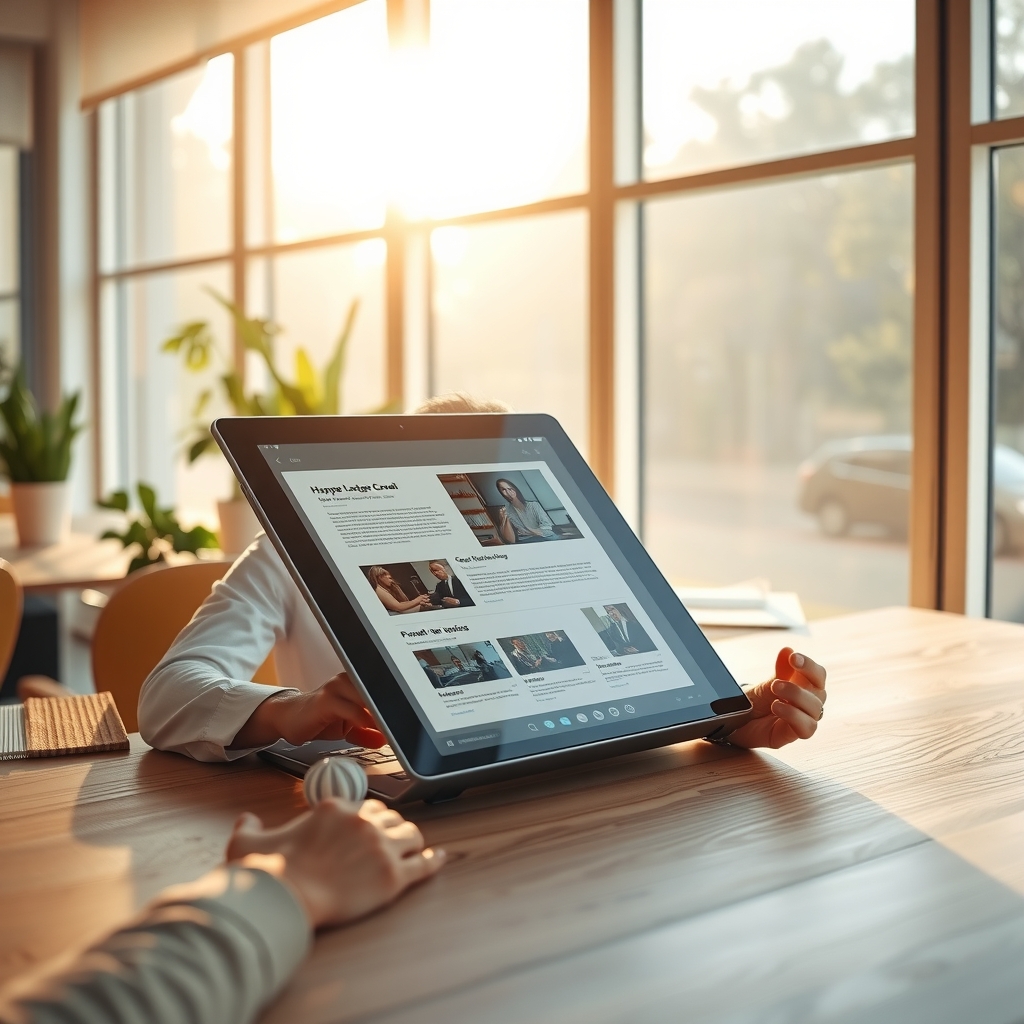
Software integration is where Apple’s ecosystem advantage could truly shine. iOS has long been lauded for its fluid continuity features—Handoff, Universal Clipboard, and Sidecar—that allow users to transition tasks seamlessly between Mac, iPad, and iPhone. A foldable form factor would amplify these capabilities, turning the expanded screen into a natural canvas for drag‑and‑drop multitasking, split‑screen app pairing, and enhanced Apple Pencil support. Imagine drafting a document on the larger half while referencing emails on the smaller, or watching a tutorial video unfold while coding alongside it on the same screen. The emotional resonance here lies in the feeling of empowerment—a device that doesn’t just react to your commands but anticipates your workflow, reducing friction and amplifying the sense that technology is working for you, not against you.
—— END ——