
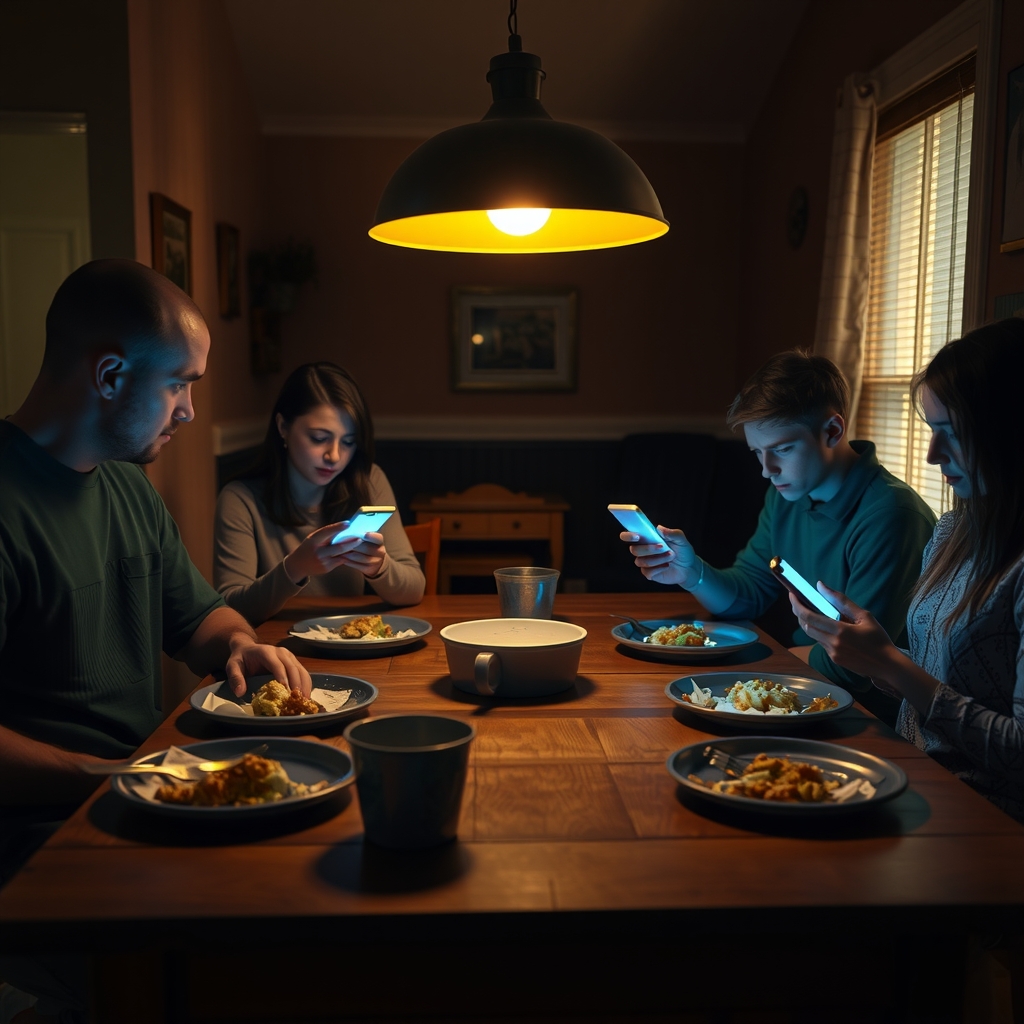
The first light of dawn used to creep through curtains unnoticed, giving the mind a quiet moment to stretch before the day demanded its attention. Now, the first thing many of us encounter is a glowing rectangle, buzzing with messages, alerts, and a cascade of headlines that promise urgency but deliver distraction. We reach for the phone before we even sit up, as if the device were an extension of our own pulse, and the world outside the screen feels suddenly distant, like a muffled echo. This habitual grab is not merely a convenience; it has become a ritual that shapes the very rhythm of our waking hours, nudging us into a state of perpetual readiness for the next notification.
A decade ago, checking a phone was an occasional act, reserved for moments when we truly needed to connect—a call from a loved one, a text confirming plans. Today, the same device sits in our palms for hours on end, its screen a constant companion during meals, commutes, and even the most intimate conversations. The shift happened so gradually that many of us failed to notice the creeping intrusion until we found ourselves unable to recall the last time we spent an hour without glancing at a screen. The technology that promised to bring us closer has, paradoxically, woven a thin veil of separation between us and the present moment.
Consider the typical morning: eyes flutter open, the room still bathed in soft darkness, and the first instinct is to unlock the phone, scroll through a feed of curated lives, and let the day’s noise flood in before we have even taken a full breath. In that instant, the mind is pulled away from the subtle sensations of waking—the stretch of muscles, the whisper of sheets, the gentle stir of thoughts—and thrust into a stream of external stimuli that demands immediate reaction. The result is a fragmented start, where the body may be awake but the mind remains caught in the glow of a digital world that never sleeps.

Our attention, once a steady flame capable of deep focus, now flickers like a candle in a draft, constantly pulled in multiple directions by the incessant pings of apps designed to capture every spare second. Neuroscientists have shown that each switch between tasks incurs a cognitive cost, a tiny tax on our mental reserves that accumulates over the day into a palpable sense of fatigue. When we answer a message while trying to read a report, or glance at social media during a meeting, we are not merely multitasking; we are fragmenting our ability to engage deeply with any single activity, leaving us with a shallow understanding of everything and a profound mastery of nothing.
The emotional toll of this constant fragmentation manifests as a low‑grade anxiety that hums beneath the surface of daily life. We find ourselves checking the phone not because we expect something important, but because the absence of a new notification feels like a void waiting to be filled. This fear of missing out—FOMO—has become a pervasive undercurrent, driving us to scroll endlessly in search of reassurance that we are still connected, still relevant, still seen. Yet each scroll leaves us feeling emptier, as if we are consuming calories that offer no nourishment, merely filling a hunger that the digital feast can never truly satisfy.
Ask yourself: what are we sacrificing when we allow our attention to be hijacked by the next buzz? The answer lies in the moments we never notice we’ve lost—the quiet laughter shared over a coffee, the unhurried thought that leads to a creative breakthrough, the simple pleasure of watching clouds drift without the urge to capture them for a feed. When our minds are perpetually poised to react, we lose the capacity to simply be, to sit with our own thoughts, and to let curiosity unfold at its own pace.

—— END ——