

Authentic storytelling begins when you stop polishing your narrative for approval and start digging for the moments that shaped you—those messy, vulnerable episodes that reveal why you do what you do. Tyson often recounts how a founder once hid a failed startup behind glossy case studies, only to see engagement stall until she shared the sleepless nights, the doubt, and the lessons learned from bankruptcy. The moment she let her guard down, comments shifted from polite nods to raw, “I’ve been there too” confessions, proving that vulnerability is not a weakness but a beacon that attracts the right tribe.
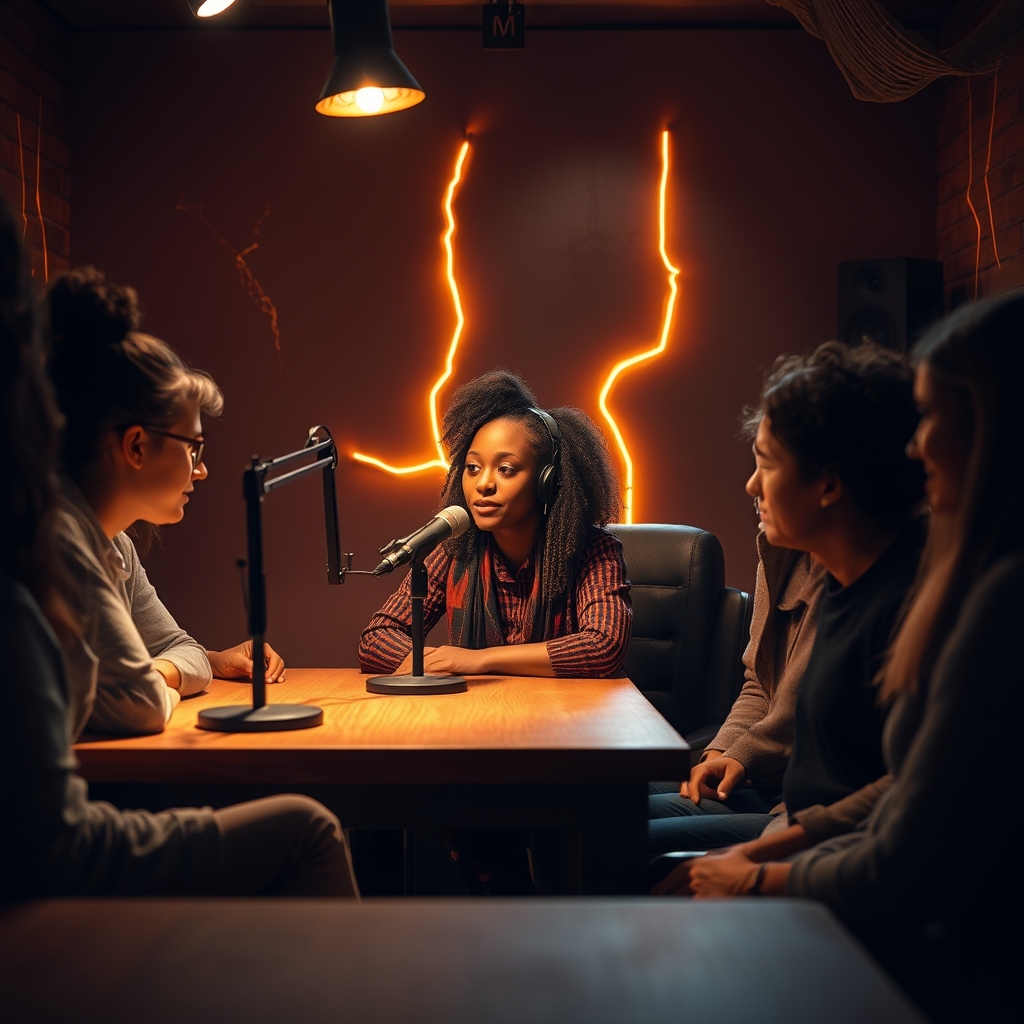
Consider the story of Maya, a freelance designer featured on Tyson’s show, who struggled to differentiate herself in a saturated market. Instead of showcasing a flawless portfolio, she opened her podcast with a candid recount of a client project that went awry, detailing the miscommunication, the frustration, and the eventual pivot that taught her humility. Listeners responded not with critiques but with offers to collaborate, drawn to the honesty that made her expertise feel attainable. Maya’s brand shifted from a static showcase to a living dialogue, proving that when you let your audience see the cracks, they see the light shining through.
To harness this power, start by mapping three pivotal moments in your journey: a failure that taught you resilience, a success that surprised you with gratitude, and a value that non‑negotiably guides your decisions. Write each as a short, sensory vignette—what you saw, heard, felt—and then share one per week across your chosen platforms, inviting responses with open‑ended questions like “What’s a mistake that taught you something unexpected?” This practice not only humanizes you but creates a feedback loop that refines your message in real time, turning your story into a magnet for those who truly resonate.
—— END ——