
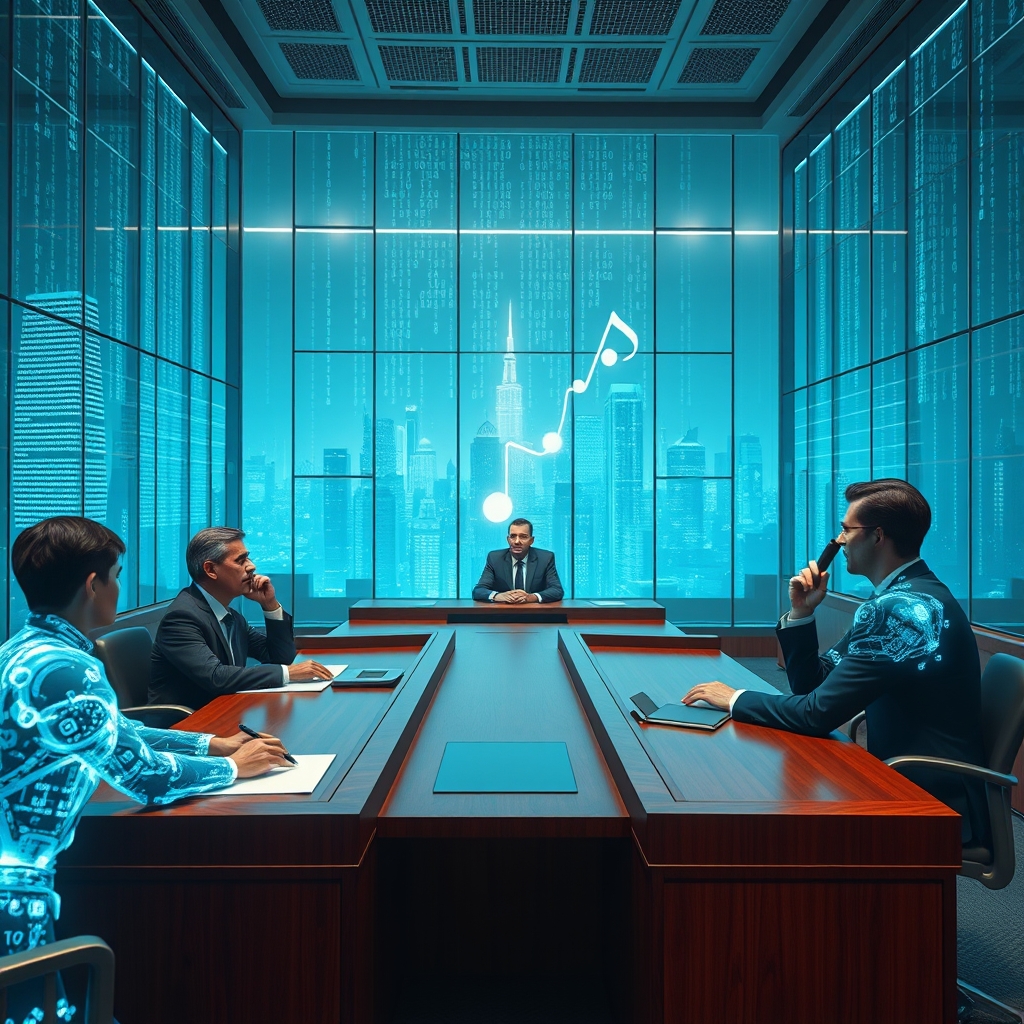
Copyright law, forged in the era of quills and printing presses, now confronts a reality where the “author” may be a stack of matrices trained on millions of copyrighted works. Courts are wrestling with cases like Getty Images v. Stability AI, where the plaintiff alleges that the AI model scraped its photo library to learn patterns and then reproduced them without permission. Judges ask whether the model’s output is a derivative work or a transformation so profound that it escapes the original’s grasp. The emotional weight is heavy for photographers who see their lifework reduced to training data, feeling both violated and helpless as the technology evolves faster than any precedent can keep up. As one visual artist put it, “If my camera can’t click without feeding a machine, what does that say about the value of my eye?”
Beyond the courtroom, legislative bodies are scrambling to draft rules that balance innovation with protection. The U.S. Copyright Office’s recent guidance declares that works lacking human authorship are ineligible for registration, yet it leaves a gray zone for works where humans provide only minimal creative input. In the European Union, the proposed AI Act introduces transparency obligations that could force developers to disclose training data sources, a move hailed by creators as a step toward accountability but feared by tech firms as a barrier to open research. The debate rages not just in statutes but in coffee shops and studios, where creators wonder if the law will ever catch up to the speed of their own imagination.
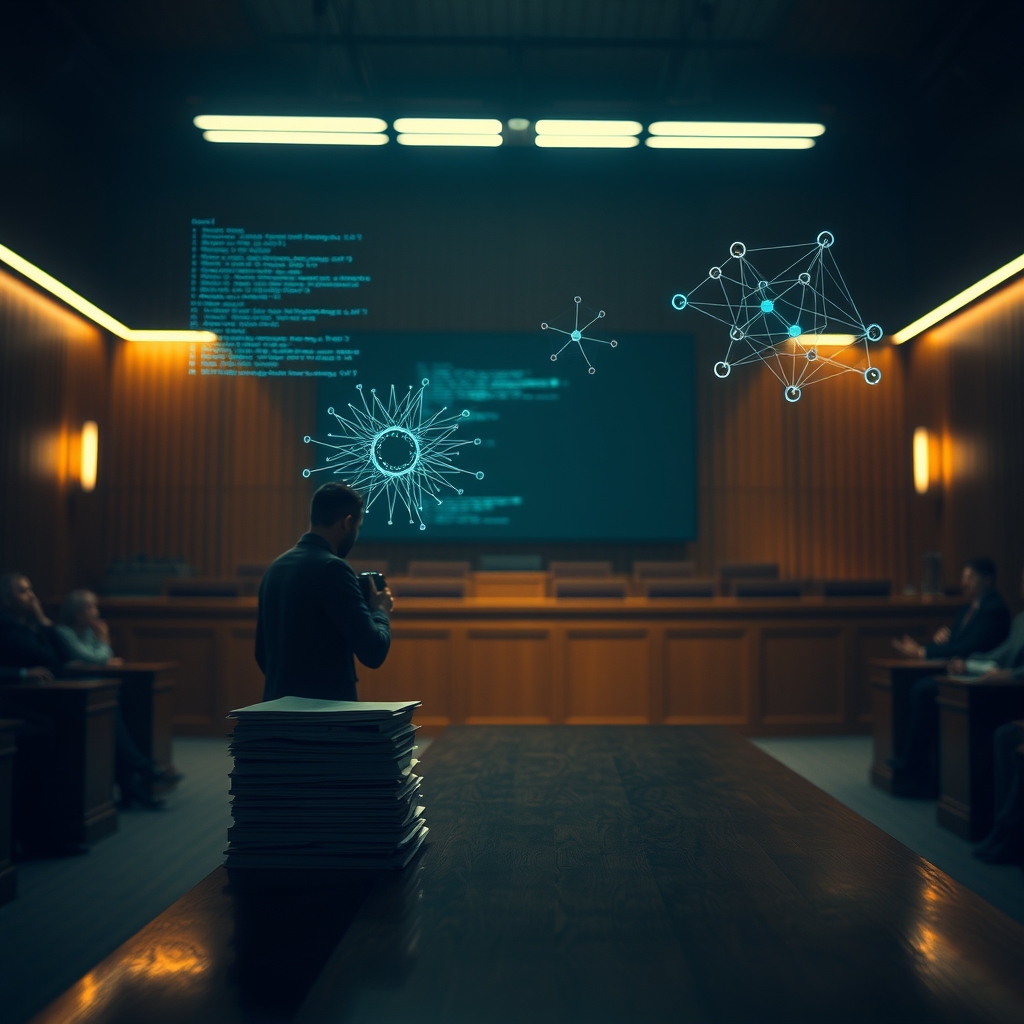
Patent doctrine, built on the notion of a human inventor conceiving a novel solution, faces its own identity crisis with the emergence of AI systems like DABUS, which autonomously generated inventions ranging from beverage containers to emergency lighting. The landmark Thaler v. Perlmutter case saw the U.S. Patent and Trademark Office refuse to list DABUS as an inventor, arguing that only a natural person can hold that title. Courts in the United Kingdom and Australia echoed similar sentiments, while South Africa granted a patent naming the AI as the inventor, creating a patchwork of global rulings that leaves multinational companies scrambling to navigate conflicting jurisdictions. The emotional toll is felt by engineers who pour their curiosity into training models, only to watch their contributions be attributed to lines of code rather than the human mind that designed them.
Scholars argue that the patent system must evolve to recognize “inventive contribution” rather than strict inventorship, suggesting a hybrid model where the AI is listed as a co‑inventor alongside its human trainer. Others warn that diluting the inventorship requirement could undermine the incentive structure that has driven centuries of innovation, opening the floodgates to low‑quality patents churned out by autonomous systems. The tension is palpable in research labs, where scientists whisper about the fear that their breakthroughs might be eclipsed by a machine that never tires, never sleeps, and never asks for a break—yet still holds the potential to reap the rewards of their intellectual labor.
—— END ——