
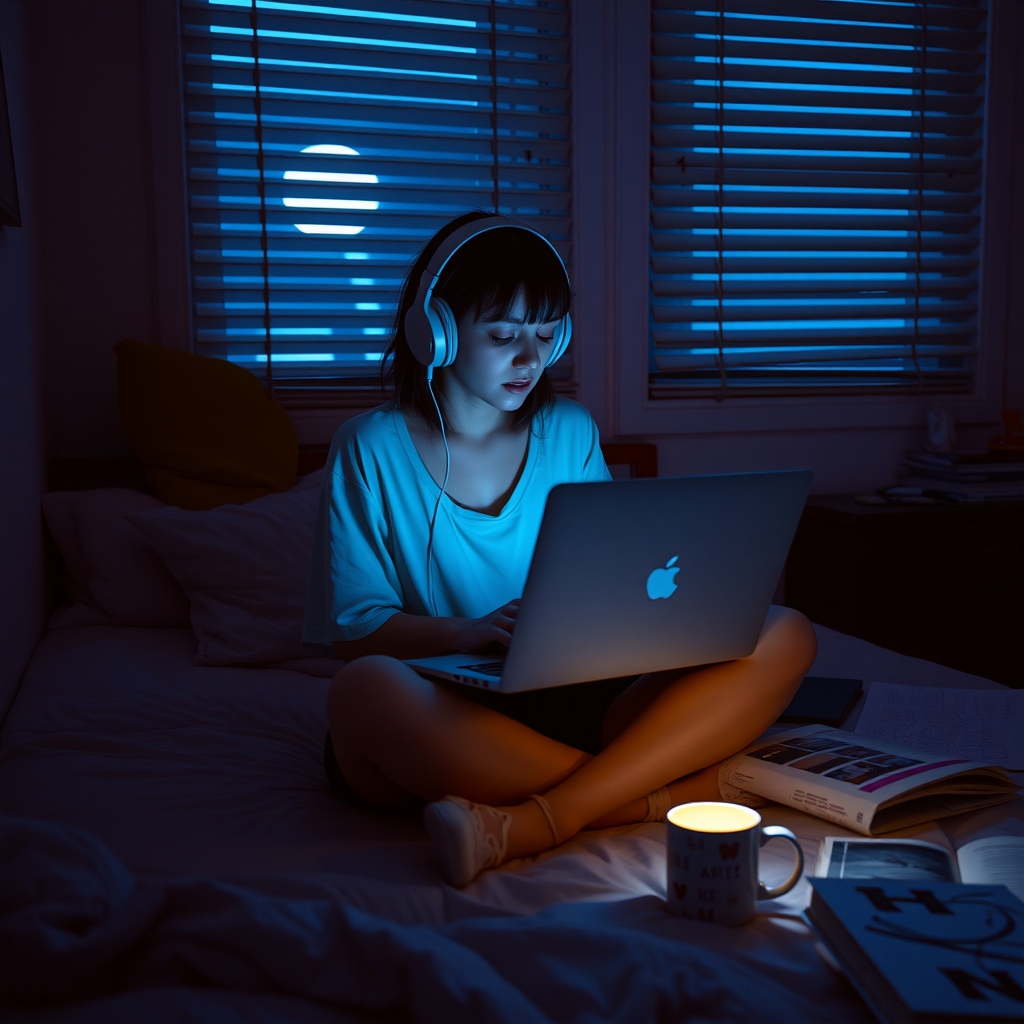
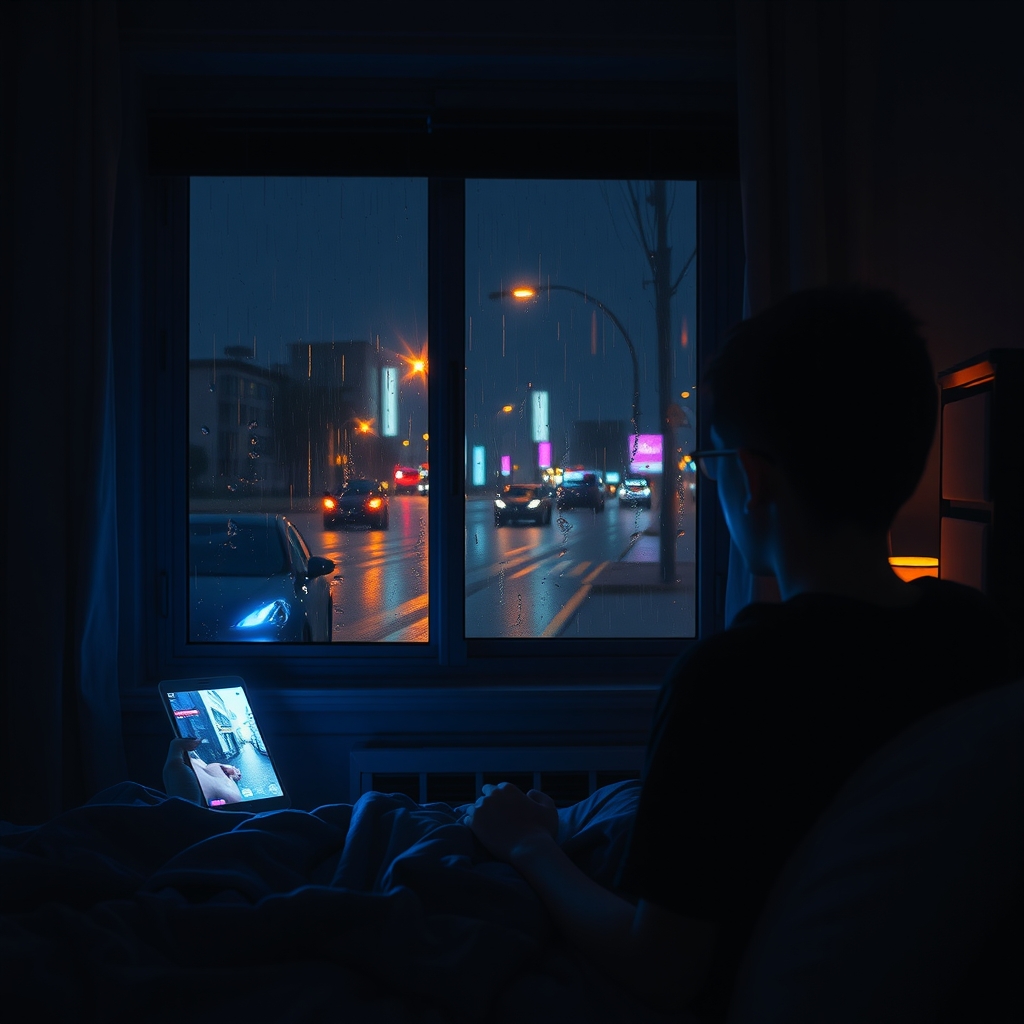
The digital landscape has turned midnight into a communal confessional, where algorithms serve up content that mirrors the user’s inner state rather than challenging it. TikTok’s For You page, after hours, often fills with slow‑motion clips of rain‑streaked windows, lyric snippets from bands like My Chemical Romance, and text‑overlaid videos that read like diary entries: “I’m tired of pretending I’m fine.” These posts are not random; they are the product of engagement patterns that reward emotional resonance, creating a feedback loop where users see their own feelings reflected back at them, amplified, and validated.
Instagram’s late‑night stories function similarly, with users posting blurred selfies taken in dim bedroom light, accompanied by captions that quote obscure emo lyrics or whisper about existential dread. The platform’s design—encouraging quick, visual consumption—means that a single scroll can trigger a cascade of recognition: “That’s exactly how I feel.” In this way, the night becomes less a solitary ordeal and more a shared, albeit silent, gathering of souls who have found a language in melancholy that daylight conversations often lack.
Take the case of Jordan, a seventeen‑year‑old high‑schooler who started a private TikTok account devoted to “midnight emo edits.” He spends an hour each night clipping together footage of neon signs, rainy streets, and live‑recorded screamo performances, overlaying them with his own voice‑over reflections on anxiety and identity. His follower count grew not because he chased trends, but because his content offered a mirror: viewers commented, “I thought I was the only one who felt this way at 3 a.m.,” and the comment section turned into a makeshift support group, all unfolding under the glow of phone screens.
—— END ——