
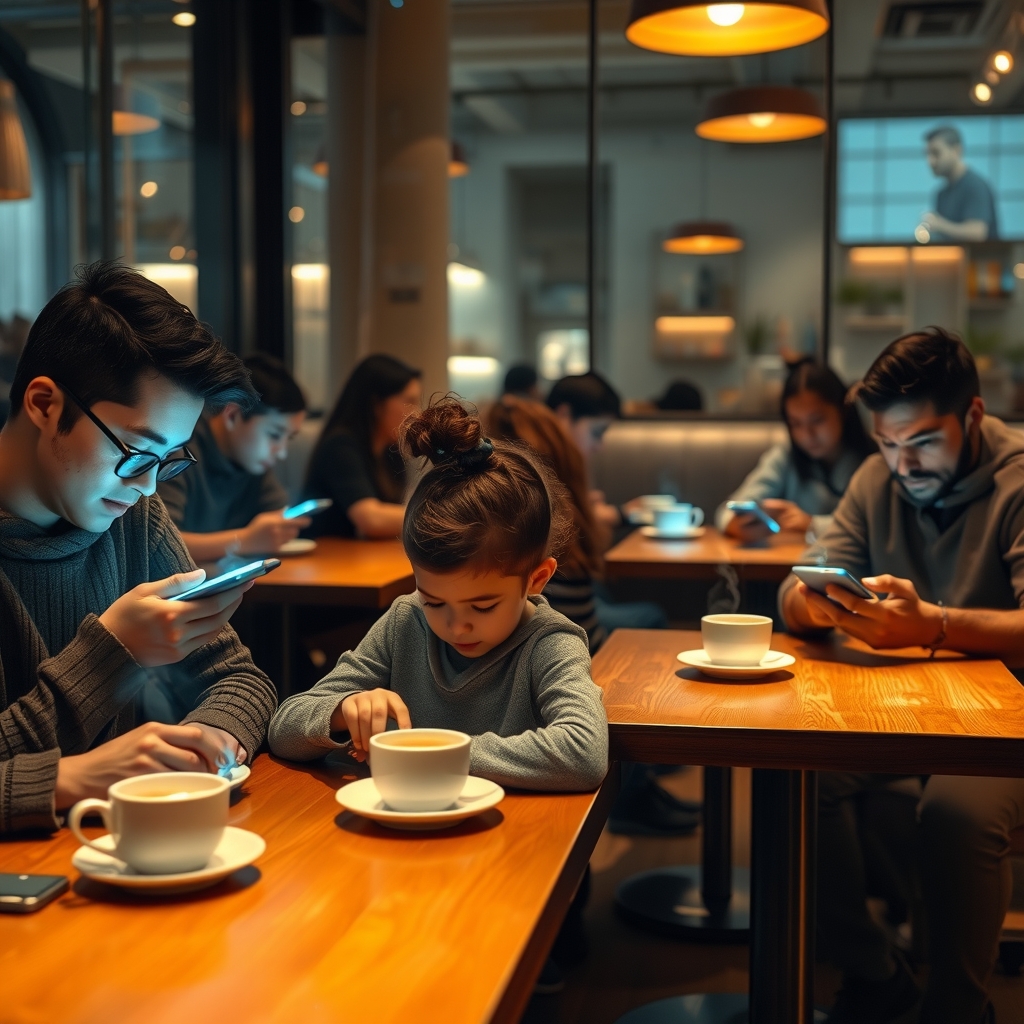
When the first light of dawn slips through the curtains, most of us reach for the phone before our feet touch the floor. The screen awakens with a cascade of messages, news alerts, and the soft hum of social feeds that promise connection before we have even taken a breath. It feels like a ritual, a quiet affirmation that we belong to something larger than the four walls of our bedroom. Yet beneath that polished surface lies a hollow echo, a sense that the more we scroll, the less we actually live. The silence that follows each swipe feels like a vacuum, sucking the vibrancy from moments that could have been savored, leaving behind a lingering ache that no amount of likes can fill.
Does the glow of the screen ever feel like a lantern in a fog, guiding us toward a false sense of purpose? We tell ourselves that the constant stream of updates keeps us informed, but the truth is that each notification is a tiny thief, stealing moments that could be spent feeling the wind on our skin or listening to the unfiltered rhythm of our own thoughts. In those fleeting pauses, the inner voice that once guided us toward curiosity and purpose is drowned out by the siren call of endless updates, leaving us wandering in a haze of borrowed attention. The light that once guided us now flickers erratically, casting shadows that blur our sense of direction and leaving us yearning for a steadier source of purpose.
Imagine a morning where the first act is not to swipe, but to feel the cool air on your skin, to hear the distant chirp of birds, to breathe in the scent of fresh coffee before the screen demands your attention. These simple acts are not nostalgic fantasies; they are deliberate rebellions against a culture that equates speed with worth. By carving out even five minutes of screen‑free time, we begin to re‑wire our brains, training them to savor the present rather than chase the next notification. In those moments, the mind settles, the heart rate slows, and a sense of spaciousness emerges, reminding us that life’s richness resides in the unhurried pauses between the beeps. We miss the simple pleasure of watching a sunrise without the urge to capture it for a feed, the quiet joy of a conversation that isn’t interrupted by a ping, and the genuine connection that blooms when eyes meet rather than screens.
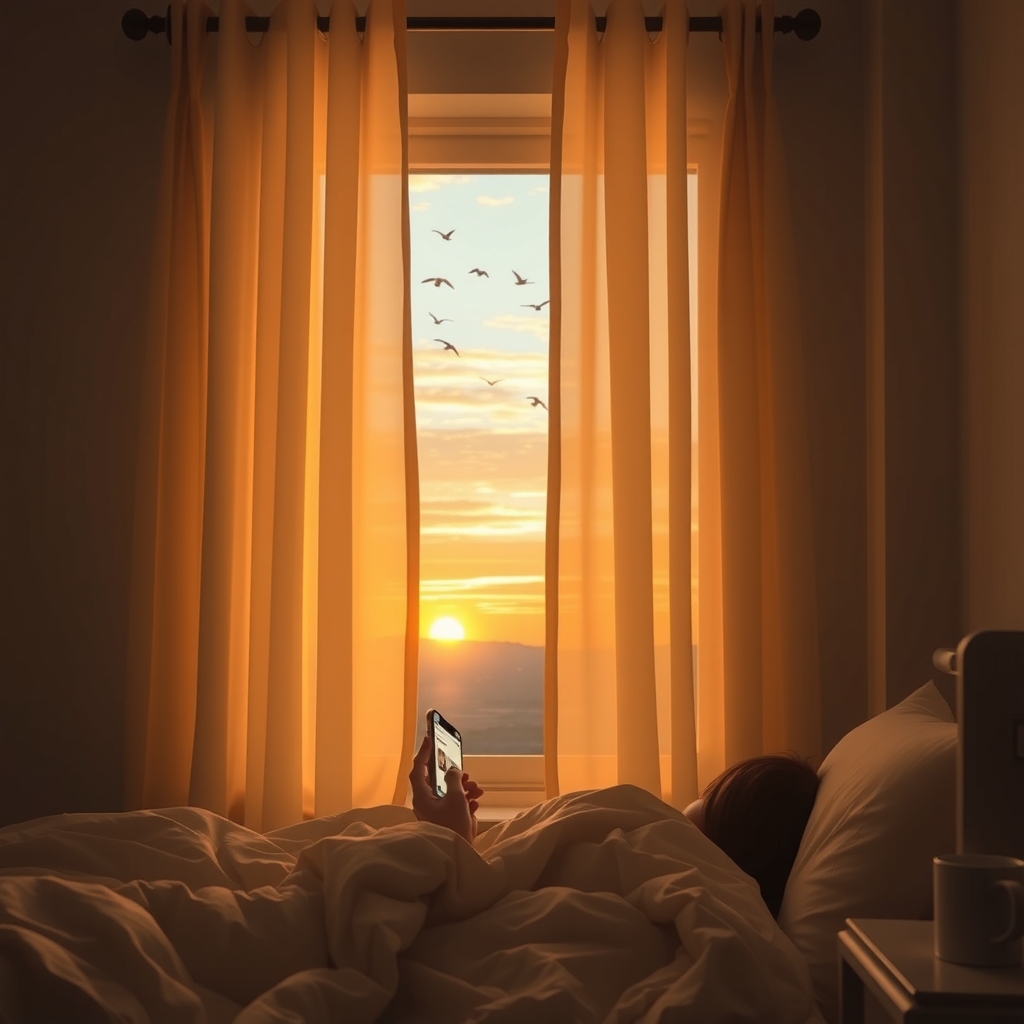
We wake up to a calendar that already feels overloaded, a to‑do list that stretches like a rubber band ready to snap. The promise of multitasking seduces us: answer an email while drafting a report, watch a tutorial while scrolling through feeds, reply to a chat while waiting for a meeting to start. In the moment, it seems efficient, a dance of productivity that fills the day with motion. Yet the reality is a cascade of half‑finished tasks, each one a reminder that we are spreading ourselves thin across a dozen half‑real worlds. The cost is not merely time lost, but a fractured sense of self, as we become a collection of half‑engaged selves, never fully present in any single activity. This low‑grade alarm keeps our nervous system on edge, draining energy that could be devoted to creativity, rest, or meaningful relationships, and it often masquerades as productivity, urging us to stay constantly ‘on.’
Have you ever watched a clock tick while your mind races through a dozen unfinished projects, only to realize that the time you saved was merely a phantom? As the poet warned, “The busiest people are often the most empty,” and we find ourselves sprinting on a treadmill that never reaches a destination. Each step feels like a race against an invisible finish line that recedes with every scroll, reinforcing a cycle where accomplishment is measured by the number of notifications rather than the depth of lived experience. Each curated post becomes a benchmark that subtly convinces us we are falling short, fueling a silent self‑critique that erodes confidence and fuels anxiety.
—— END ——