
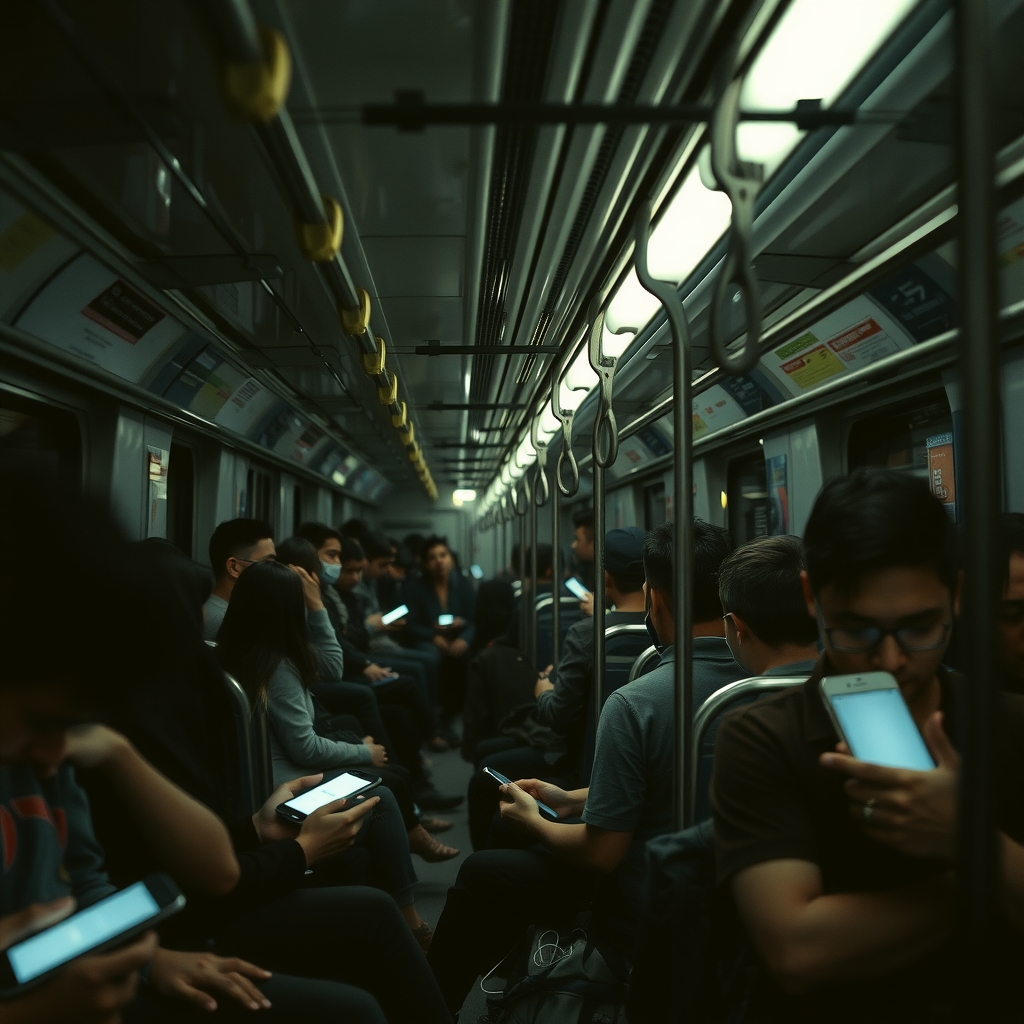
Scrolling through a feed feels like flipping through a glossy magazine where every page is polished to perfection, yet beneath the veneer lies a relentless comparison that erodes self‑esteem. The endless stream of smiling faces, exotic vacations, and meticulously plated meals creates a mirage of belonging that is, in reality, a curated illusion designed to keep us hooked. Do we chase connection or merely the validation of a digital applause that fades the moment the screen goes dark? The irony is that the more we broadcast, the less we actually feel seen.
Behind the polished posts, algorithms act as invisible curators, feeding us content that mirrors our existing beliefs and amplifies our isolation. The more we engage with echo chambers, the tighter the digital cage becomes, trapping us in a loop where genuine conversation is replaced by reactive likes and shallow comments. Have you ever posted a heartfelt message only to receive a cascade of generic emojis, feeling simultaneously celebrated and invisible? The paradox is stark: we are surrounded by voices, yet the silence of authentic listening grows louder with each passing day.

When loneliness becomes chronic, the body responds as if under constant threat, flooding the bloodstream with cortisol and adrenaline that once protected our ancestors from predators but now erode cellular health. Prolonged isolation is linked to heightened inflammation, a precursor to cardiovascular disease, diabetes, and certain cancers, illustrating how emotional emptiness can manifest as physical ailments. Imagine your heart beating faster not from exercise, but from the silent alarm that your social environment has gone silent. The cascade of stress hormones disrupts sleep, weakens immune response, and accelerates aging, making the body more vulnerable to infections and chronic conditions.
Beyond the heart, the mind suffers a parallel decline; chronic isolation is associated with reduced neuroplasticity, impaired memory consolidation, and a heightened susceptibility to depression and anxiety disorders. The brain’s default mode network becomes overactive when social cues are absent, creating a feedback loop that deepens feelings of emptiness. Sleep, the nightly reset button for cognition, is often fragmented as the mind replays social anxieties, leading to daytime fatigue that erodes motivation and engagement. The relentless rumination triggers a surge of stress hormones that interfere with mood regulation, fueling a vicious cycle where loneliness fuels more loneliness.

—— END ——