
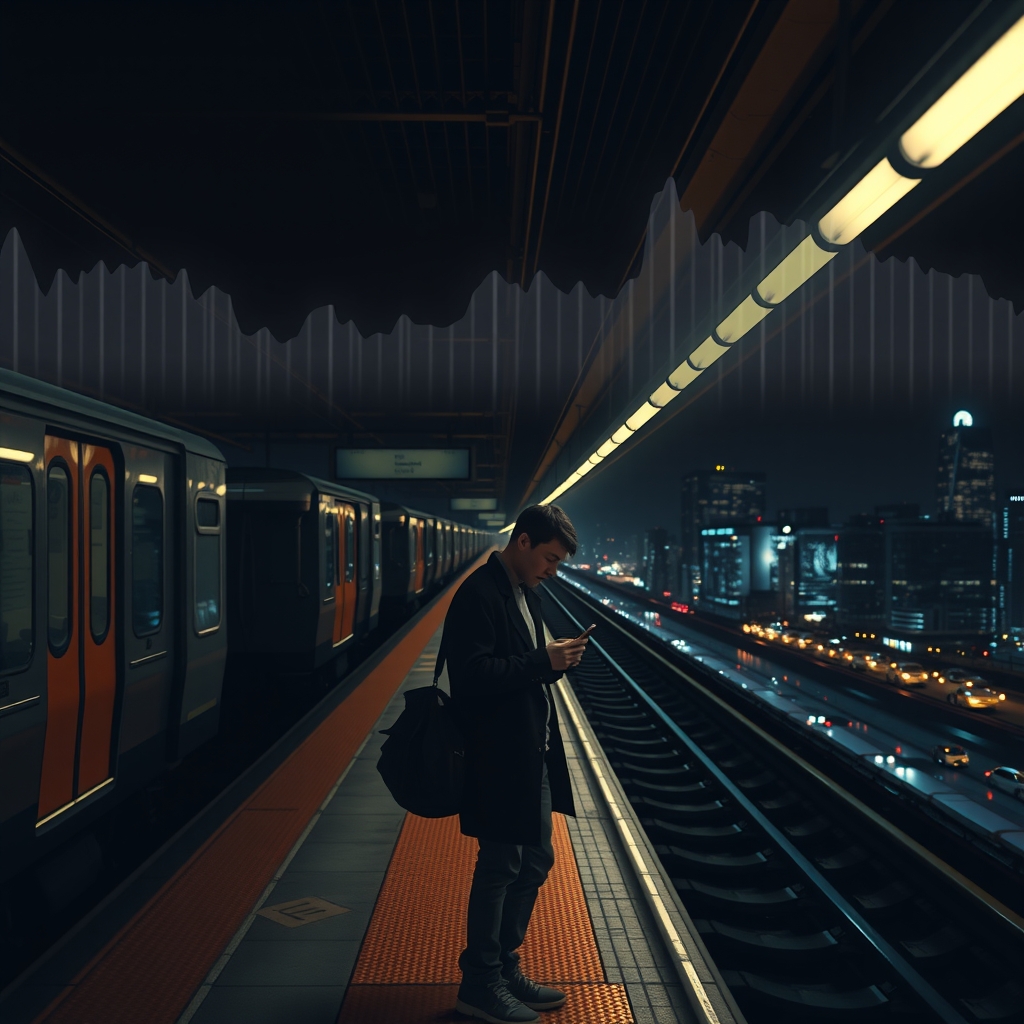
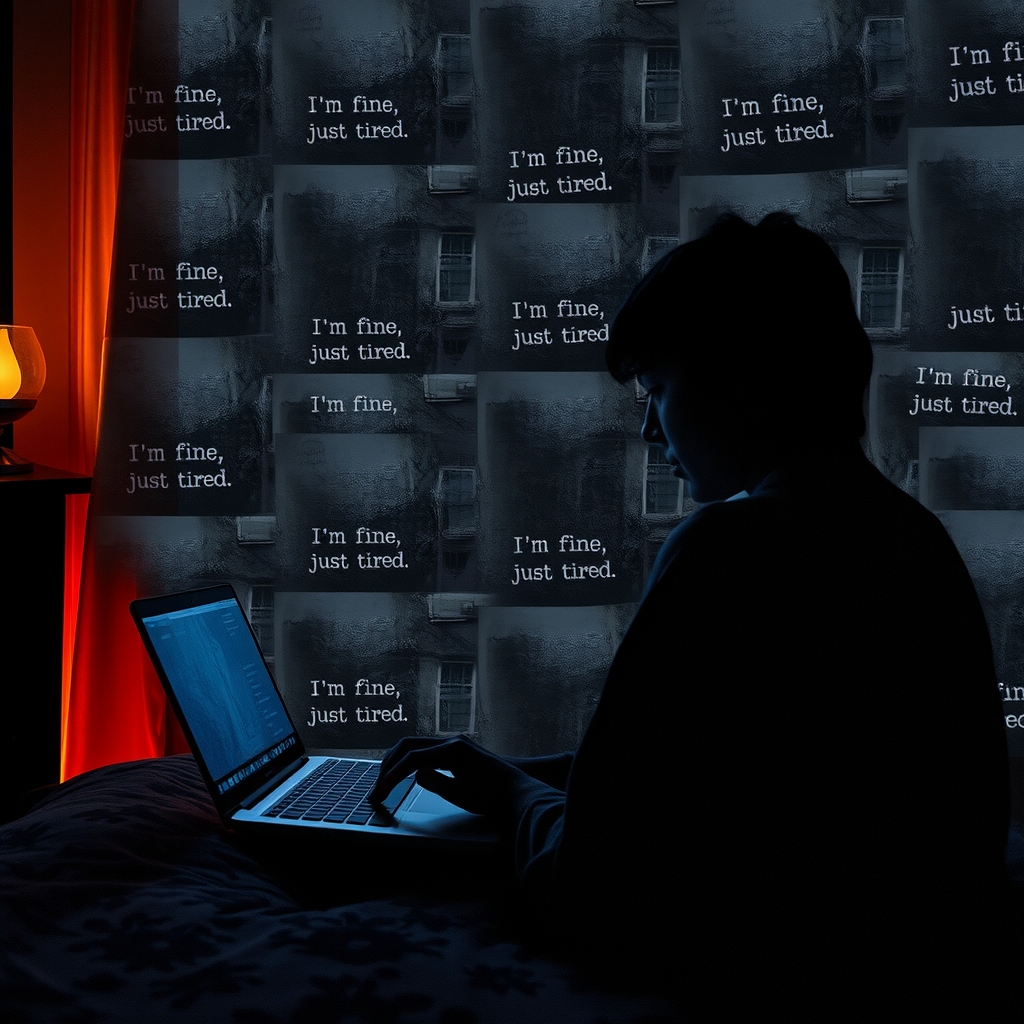
The melancholy that once pulsed through NetEase Cloud’s comment sections felt like a shared secret, a quiet nod between strangers who understood the weight of unspoken sadness. Users would drop a lyric, a sigh‑laden emoji, or a fragment of a poem beneath a track, turning the platform into a sprawling, digital confession booth. For a while, the sad meme—those wistful screenshots of rain‑soaked windows paired with lines like “I’m fine, just… tired”—became a lingua franca of online emotion, a way to say “I see you” without saying anything at all. It was comforting, almost ritualistic, to scroll through those gray‑toned images and feel the collective ache of a generation learning to articulate loneliness in a world that rewarded constant performance.
Yet, as the meme proliferated, its edges began to fray. What started as an authentic outlet for vulnerability turned into a predictable template, recycled so often that the original sting dulled into background noise. The same rain‑streaked photo, the same font, the same half‑hearted affirmation began to appear in feeds not as a cry for connection but as a filler, a decorative flourish that signaled participation rather than feeling. Users began to notice the dissonance: a meme meant to convey depth was now being deployed to chase clout, to pad out a story, or to simply fill the silence between scrolls. The very act of sharing sadness had become a performance, and the audience grew weary of watching the same act repeat.
The shift did not happen in a vacuum. NetEase Cloud’s algorithm, eager to keep eyes on the platform, began to prioritize content that generated quick engagement—short, loopable clips, punchy captions, and memes that could be consumed in under two seconds. The sad meme, with its low production cost and high recognizability, fit perfectly into this feed‑first logic. Creators learned that pairing a melancholic image with a trending song snippet could boost visibility, regardless of whether the emotion behind it resonated. Consequently, the meme ecosystem became a marketplace where sentiment was commodified, and the line between genuine expression and strategic maneuvering blurred. When the community sensed that the sadness was being mined for metrics rather than offered as solace, trust eroded.
Compounding this, broader cultural tides turned toward a different kind of emotional honesty. The rise of short‑form video platforms encouraged raw, unfiltered moments—live reactions, unedited rants, and spontaneous bursts of joy or sorrow that felt immediate and unmediated. In contrast, the carefully curated NetEase Cloud sad meme began to look staged, a relic of an era when users felt the need to mask their vulnerability behind a polished aesthetic. The generation that once found solace in shared gloom now gravitated toward authenticity that embraced both light and dark without the safety net of a meme template. The meme’s loss of appeal, therefore, mirrors a larger craving for unvarnished storytelling in digital spaces.

—— END ——