
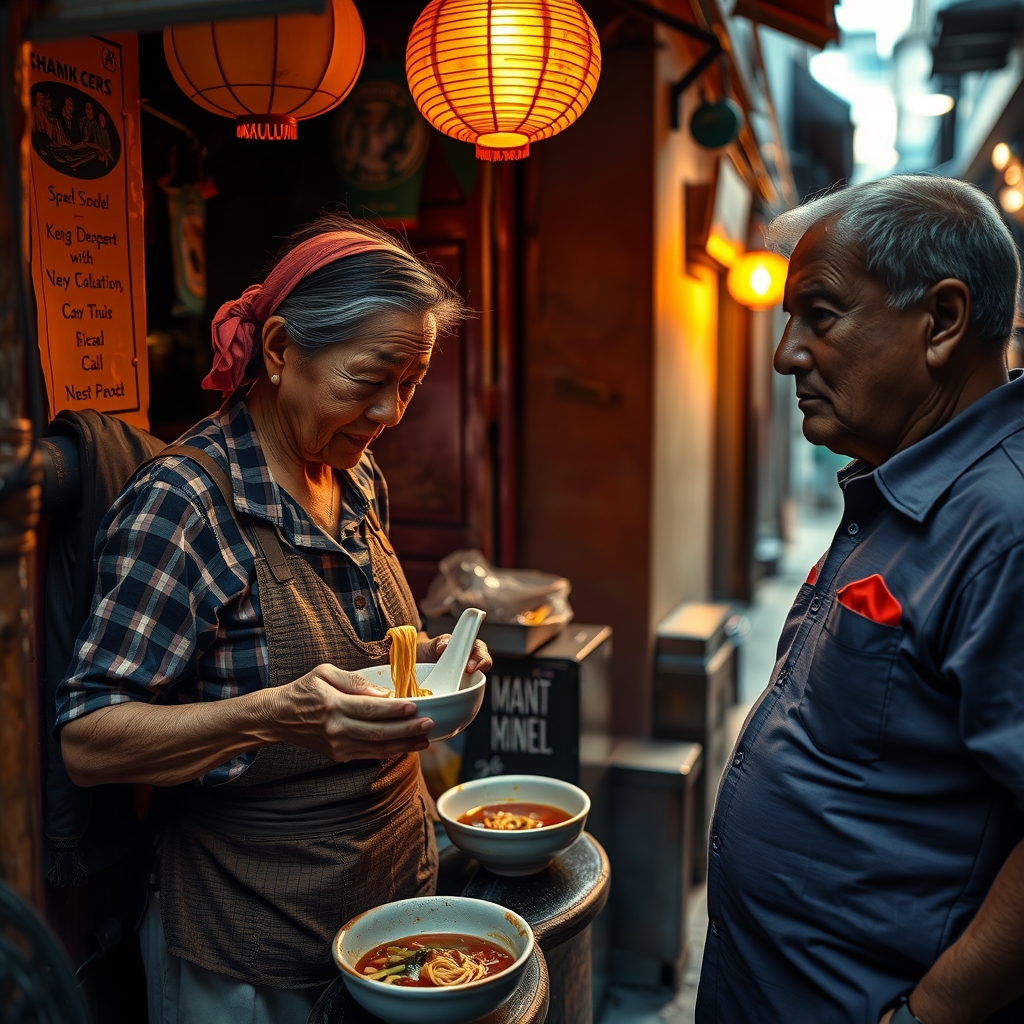
The moment your foot touches foreign soil, a rush of anticipation courses through your veins, and the air itself seems to hum with promise. You can feel the pulse of the city in the rhythm of traffic, the murmur of languages, and most vividly, the scent of something cooking just beyond the next corner. It is that invisible thread of aroma that pulls you away from the polished facades of guidebooks and toward the humble stalls where life is served on a paper plate.
There is a quiet ache that settles in the chest when you realize that the postcard sights, while beautiful, often leave you feeling like a spectator rather than a participant. Street food, by contrast, invites you to lean in, to get your hands messy, to taste the stories that locals have been whispering through generations. Each bite becomes a conversation, a chance to connect with a culture that speaks not through monuments but through the sizzle of a grill and the laughter of a vendor who knows your name before you even ask.
If you allow yourself to wander beyond the main avenues, you will discover that the true soul of a place lives in its hidden corners, where recipes are guarded like family heirlooms and the menu changes with the mood of the day. Those secret bites are not just sustenance; they are emotional souvenirs that linger long after you have packed your bags, waiting to be rekindled with a single whiff of spice or the memory of a shared smile.
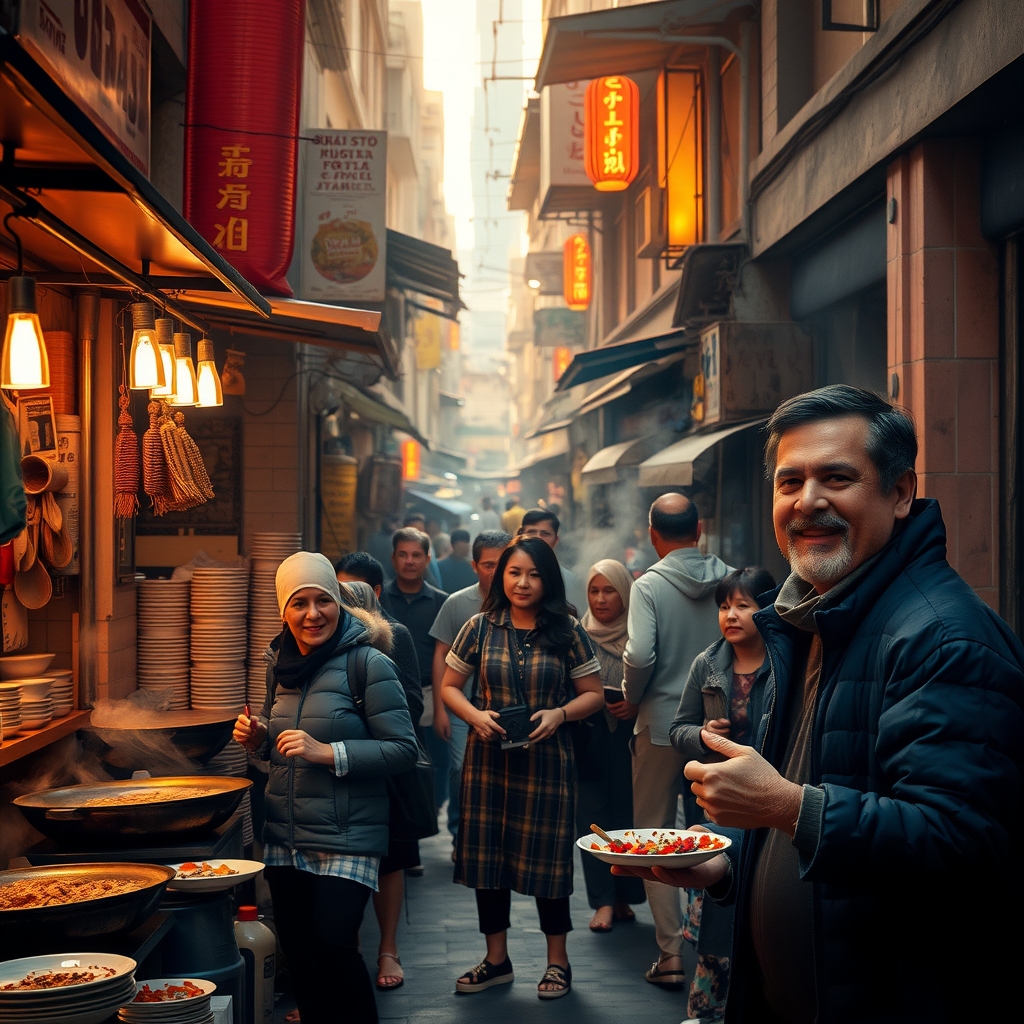
Mexico City’s sprawling Mercado de San Juan is a labyrinth of stalls, but tucked behind a curtain of hanging chilies is a modest cart where tacos de lengua are transformed into something transcendent. The beef tongue, slow‑cooked until it melts like butter, is topped with a drizzle of citrus‑infused cilantro oil that cuts through the richness, while a sprinkle of toasted sesame seeds adds an unexpected crunch. Locals linger here not just for the taste but for the ritual—the way the vendor wipes his hands on a faded apron, nods to regulars, and slides the taco onto a waxed paper square with a quiet pride that feels like an invitation to belong.
Travel south to Lima, where the scent of anticucho draws you to a dimly lit corner near the Plaza de Armas. Here, skewers of marinated beef heart are turned over glowing coals, the smoke curling upward like a prayer. The meat, tender yet slightly charred, is brushed with a sauce of ají panca, garlic, and a splash of vinegar that awakens the senses with each bite. As you stand there, the vendor shares a story of his grandfather who first brought the recipe from the Andes, and you realize you are tasting not just food but a lineage of resilience and flavor that has survived generations.
On the sun‑kissed shores of Cartagena, a modest stall perched on the sand serves arepas de huevo that seem to capture the sea itself. The corn cake is split open, a golden yolk nestled inside, then fried until the exterior crisps while the interior remains soft and warm. A squeeze of lime and a dash of salt elevate the simple combination, and as you bite, the salty breeze mixes with the rich corn, creating a moment where the ocean, the land, and the sun converge on your palate. The vendor’s grin, as wide as the horizon, tells you that this is more than a snack—it is a celebration of life lived close to the water.
—— END ——