
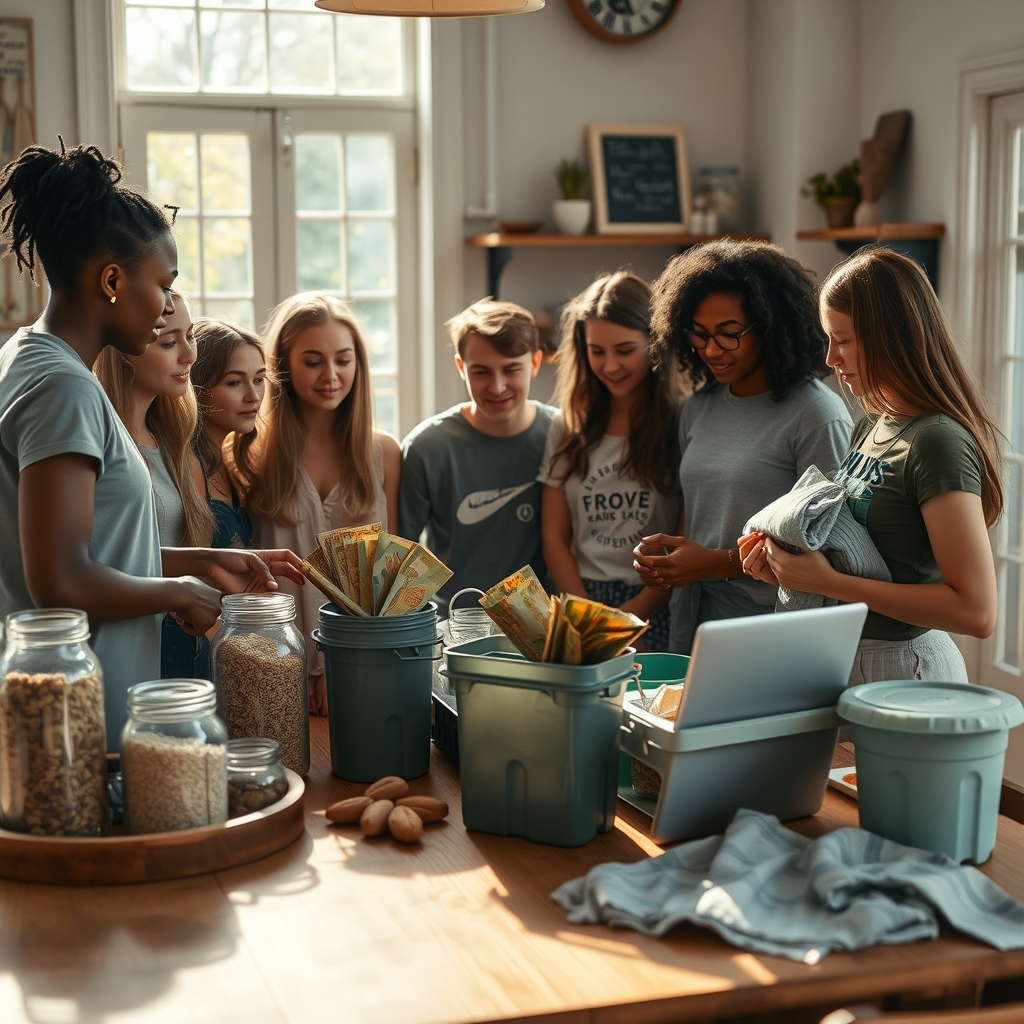
Xiaohongshu’s latest annual report feels less like a dry spreadsheet and more like a whispered confession from a generation that is learning to listen to its own heartbeat. The numbers flash across the screen—double‑digit growth in eco‑friendly product searches, a surge in “slow travel” hashtags, and a quiet revolution in how users define success—but what really lingers is the story behind those figures. When you scroll through the pages, you can almost hear the collective sigh of relief as people trade the relentless chase for external validation for a quieter, more intentional way of being. It is as if the platform has become a mirror, reflecting not just what we buy, but why we choose to buy it, and in doing so, it asks us a question that refuses to be ignored: Are we consuming to fill a void, or are we curating a life that truly feels like home?

If conscious consumption is the mind’s awakening, the surge in experience‑driven content is the heart’s reply. The report notes a 115% increase in posts tagged with “micro‑adventure” and a 90% rise in searches for “local heritage walks.” People are trading the allure of far‑flung, Instagram‑ready destinations for the richness found in their own backyards—hidden tea houses in ancient alleys, sunrise hikes on forgotten hills, weekend workshops where they learn to make pottery with their own hands. One particularly moving caption read, “I booked a flight to Bali last year, but the trip that healed me was the one I took to the river behind my grandmother’s house, where I learned to listen to the water’s rhythm.” Such stories reveal a yearning not just for new sights, but for new sensations—those that root us in place and time.
This pivot toward experiential richness is reshaping how brands engage with their audiences. Instead of pushing products, companies are now sponsoring pop‑up workshops, collaborating with local storytellers, and creating immersive installations that invite users to touch, smell, and taste rather than merely scroll. The report cites a case where a tea brand’s partnership with a provincial cultural center led to a three‑day “tea‑and‑tradition” festival that saw participation double compared to their previous online‑only campaign. The takeaway is clear: when a brand becomes a conduit for genuine, sensory experiences, it moves beyond transactional relationships and becomes part of the user’s personal narrative—a narrative that feels lived, not just observed.
—— END ——