
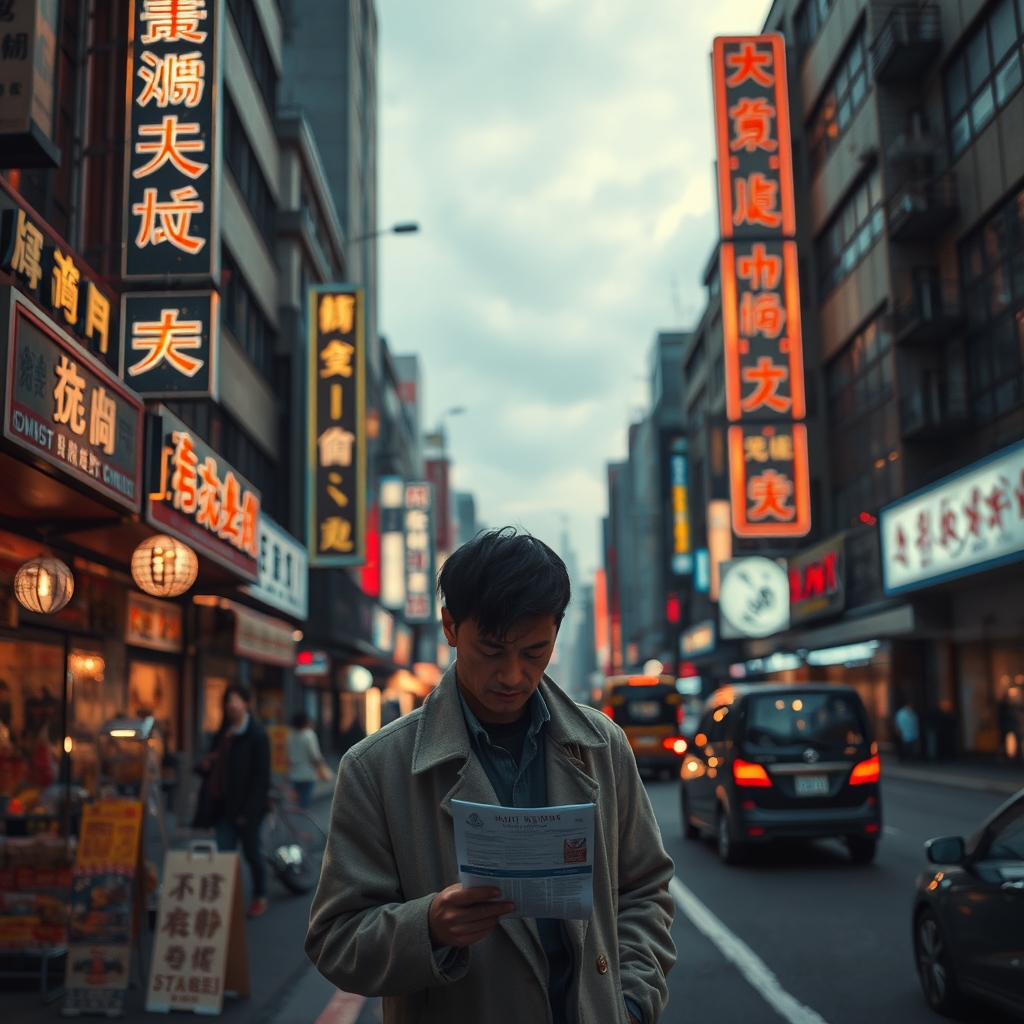
According to the National Bureau of Statistics, retail sales grew just 2.1 % year‑on‑in the first half of 2024, a stark contrast to the double‑digit expansion seen before the pandemic. Disposable income per capita rose only 3.4 %, while urban unemployment hovered around 5.5 %, with youth joblessness exceeding 20 % in several Tier‑1 cities. Big‑ticket items felt the pinch most: automobile sales slipped 7 % annually, luxury handbag imports fell by nearly 15 %, and outbound tourism remained at a fraction of pre‑COVID levels.
Consider Ms. Li, a 34‑year‑old marketing manager in Guangzhou. Before 2020 she upgraded her smartphone each year, dined at upscale bistros, and booked weekend getaways to Hainan. Today she keeps her iPhone for three years, scours second‑hand platforms for deals, and prepares meals at home to save on dining out. “I feel like a student again,” she says, eyes flickering between resignation and resolve. In Chengdu, Mr. Wang, who ran a modest café near a university, shut his doors after months of dwindling foot traffic. He now works as a delivery rider for a platform, earning roughly half of what he once made, and worries about paying his daughter’s tuition. These narratives illustrate how a broad statistical trend translates into concrete, often painful, choices for individuals.
When we measure the middle class against the official urban poverty line—roughly 60 % of the median household income—an alarming share of families now fall below that threshold. Household debt‑to‑income ratios have crept upward as families rely on credit cards and online micro‑loans to bridge gaps, while savings rates have declined. The once‑secure buffer of a steady paycheck is thinning, leaving many to wonder whether the gains of the past decade are slipping away like sand through clenched fingers.
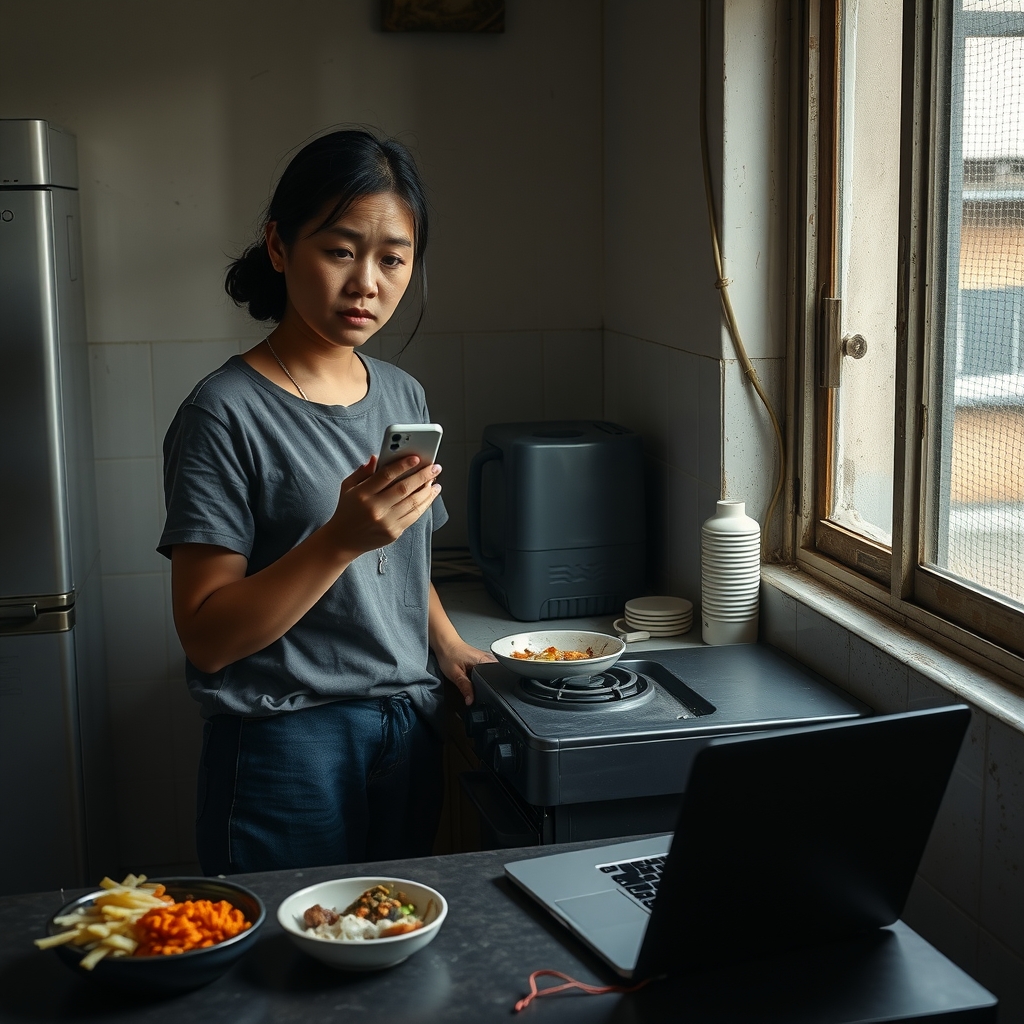
The emotional toll of this downgrade runs deeper than ledger entries. For a generation that equated consumption with identity, scaling back feels like a personal failure. Social media amplifies the sting, scrolling past friends’ vacation photos or new gadgets can trigger envy and shame. A psychologist at a Shanghai clinic noted, “When your self‑worth is measured by the brand of your sneakers, a downgrade feels like a personal defeat, not just a budget adjustment.” This internalized judgment can erode confidence and fuel anxiety about one’s place in society.
Mental‑health indicators corroborate the strain. Helpline calls reporting anxiety and depression rose 18 % in 2023 compared with pre‑pandemic levels, with urban youths aged 18‑30 forming the largest caller group. Many cope through binge‑watching dramas, endless scrolling, or immersive online gaming—temporary escapes that often deepen feelings of isolation. The quiet desperation of a missed payment or a postponed medical check‑up lingers behind smiles posted on social feeds.
The strain also ripples across generations. Parents who sacrificed overtime and savings to fund their children’s education now watch those same children struggle to secure stable jobs, prompting guilt and helplessness. A mother in Shenzhen whispered, “I worked overtime so my daughter could study abroad; now she’s taking online courses from a community college, and I wonder if I failed her.” Families are cutting back on tuition, extracurriculars, and even basic nutrition, creating a feedback loop where diminished prospects today weigh heavily on hopes for tomorrow.
—— END ——