

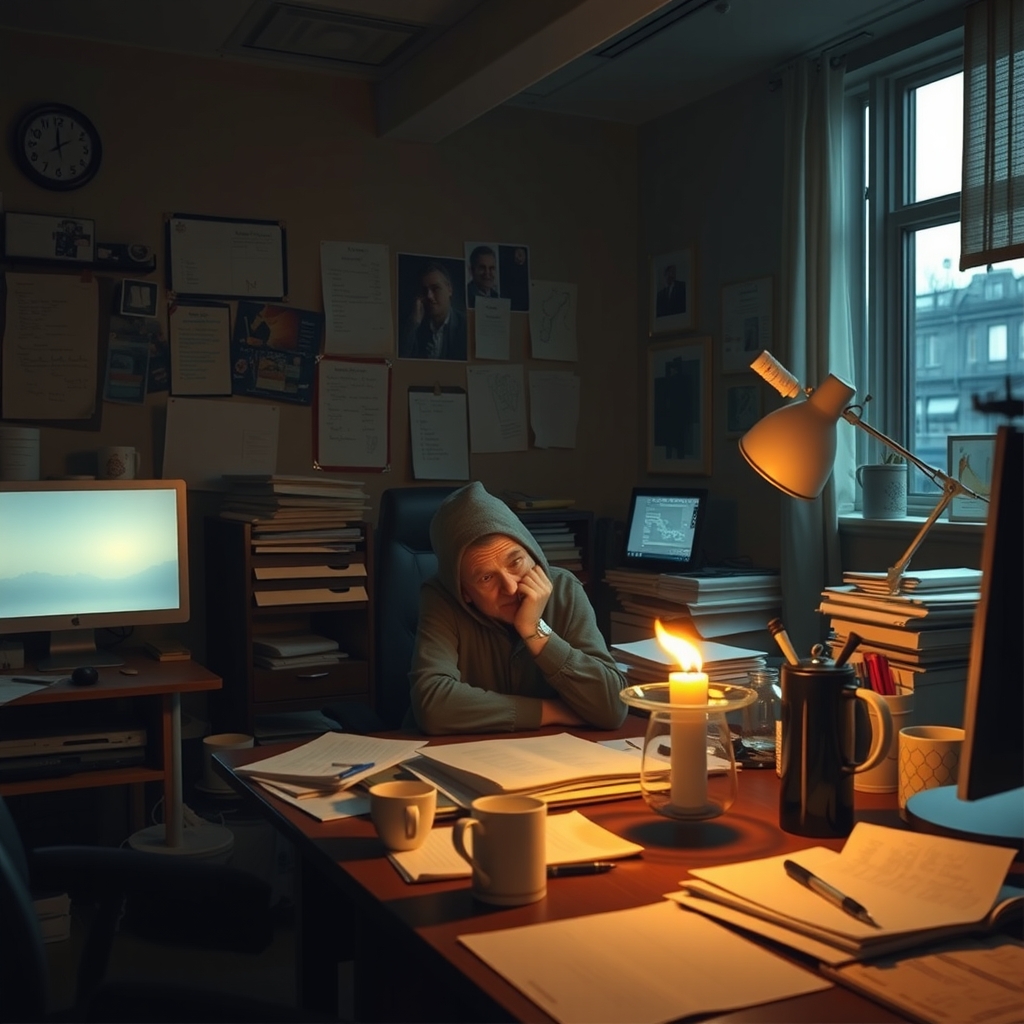
The world has turned productivity into a religion, and we are its fervent devotees. Every sunrise feels like a deadline, every coffee break a betrayal of the grind. We scroll through endless to‑do lists, celebrate overtime as a badge of honor, and whisper to ourselves that rest is a luxury we cannot afford. Yet, when the night finally drapes over the city, do we truly feel rejuvenated, or merely exhausted by the day’s relentless demand? The answer is a quiet gasp, a realization that the very engine driving our lives may be overheating. We wear fatigue like a medal, unaware that the cost is measured in broken relationships, waning creativity, and a soul that whispers for mercy.
Recent studies reveal that chronic stress shrinks the prefrontal cortex, the very region responsible for decision‑making and emotional regulation. In a longitudinal survey of 10,000 workers, those who reported sleeping less than six hours per night were 30% more likely to experience severe anxiety and 40% more prone to cardiovascular disease. The numbers are not abstract; they translate into missed birthdays, strained marriages, and a pervasive sense that life is slipping through our fingers. When the body sounds an alarm, we often choose to ignore it, mistaking resilience for recklessness. The silence of ignored warnings becomes a deafening roar when the inevitable breakdown occurs, leaving families to pick up the pieces of a life once vibrant.
Imagine a candle flickering in a windstorm; it sputters, sparks, and eventually goes out, leaving darkness where light once reigned. That candle is you, burning bright while the world fans the flames of ambition. Do we have the courage to shield that flame, to carve out moments of stillness before the wick is consumed? The choice is stark: continue feeding the fire or pause, breathe, and let the wax settle into a calm, steady glow. In those quiet seconds, the world slows, the heart quiets, and the mind discovers a space where ideas can breathe and dreams can take root. That space becomes a sanctuary, a reminder that we are more than the sum of our tasks.
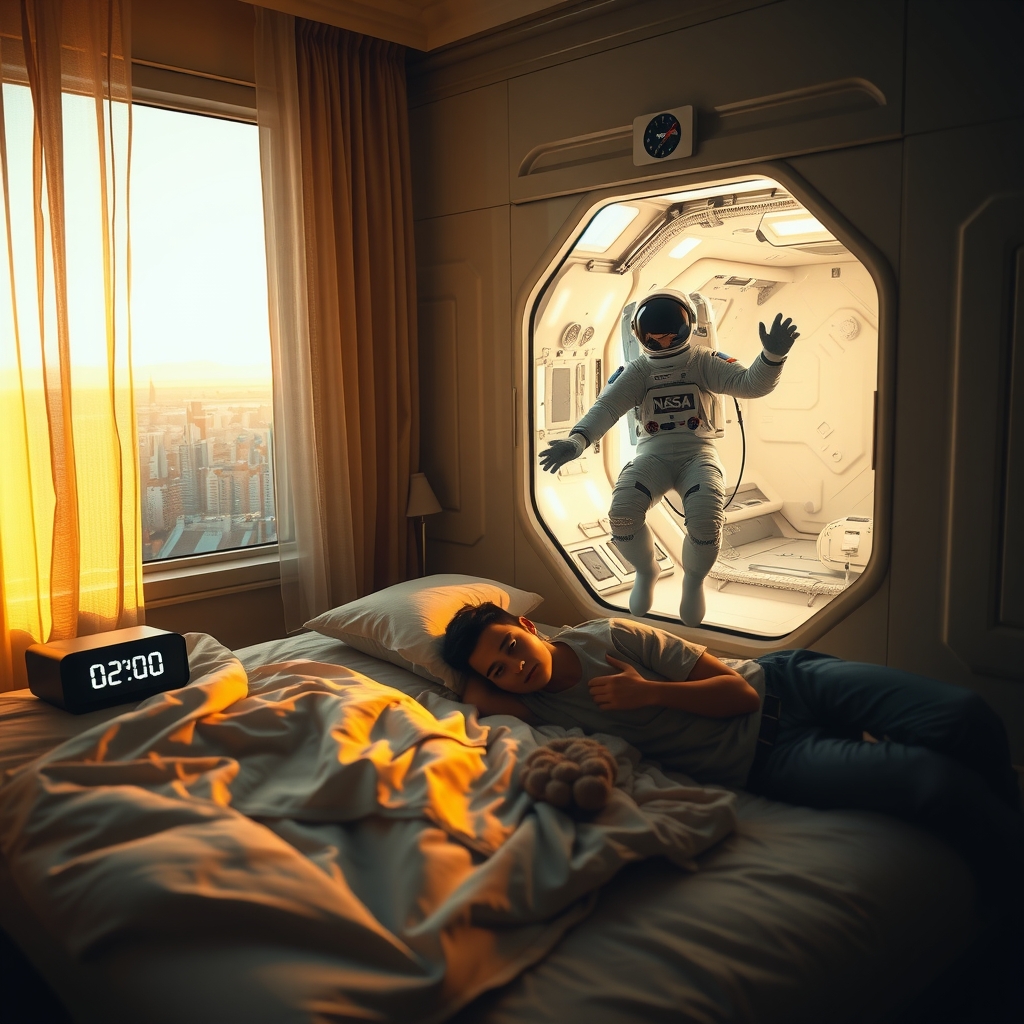
Our bodies are intricate clocks, each cell tuned to a rhythm that predates modern technology. The circadian system, governed by the suprachiasmatic nucleus, orchestrates hormone release, body temperature, and cognitive sharpness in a 24‑hour cycle. When we force this internal orchestra to play out of sync—staying up late, waking early, ignoring natural light—we create dissonance that the body cannot easily resolve. The resulting fatigue is not merely a feeling of tiredness; it is a physiological rebellion, a cascade of cortisol spikes, a weakened immune response, and impaired memory consolidation that erodes productivity from within. In the long run, this internal rebellion manifests as chronic illness, reduced lifespan, and a pervasive sense that life has lost its inherent pulse.
Consider the NASA astronauts who spend months aboard the International Space Station. Their schedules are meticulously crafted around a 24‑hour light cycle, and they report higher alertness, better sleep quality, and enhanced performance when they respect that rhythm. A study published in *Sleep Medicine* followed 500 participants who adopted a consistent sleep window for just two weeks; the average increase in deep sleep was 23%, and reaction times improved by 15%. The evidence is clear: alignment with natural cycles is not a nostalgic ideal but a measurable performance enhancer. Even in high‑stakes environments where split‑second decisions matter, the body’s synchronization with daylight can be the difference between mission success and catastrophic error.
So why then do we persist in sabotaging our own biological timetable? The answer lies in the seductive promise of endless output, the illusion that more hours equate to greater value, and the cultural narrative that glorifies sleeplessness as a sign of dedication. What if the true measure of success is not the number of hours logged, but the quality of presence we bring to each hour? The paradox is that by denying our body its natural cadence, we diminish the very capacity that fuels ambition, creativity, and resilience. In a world that rewards hustle, the quiet act of honoring our internal clock becomes a radical act of self‑respect and long‑term stewardship.
—— END ——